Why Every Tier Requirements a Special Content Technique

Detection Systems in 2026

Online search engine spiders in 2026 have actually moved far beyond easy link counting and fundamental keyword matching. Modern detection systems now use artificial intelligence models that examine the possibility of a link existing naturally within a particular context. When developing a big network, the main danger is no longer a human customer but an automated pattern-recognition engine that determines clusters of sites based on shared technical and behavioral traits.For those running in extremely competitive niches, the goal is to remain invisible within the huge volume of the open web. A single error in server configuration or a recurring material pattern can lead to the suppression of an entire asset cluster. Preventing these footprints requires a layered approach to facilities, material, and link topology that imitates the unpleasant, unorganized growth of the genuine internet.
Infrastructure Diversity and Server Signatures
The technical foundation of any network is often where the most obvious footprints are left. In 2026, online search engine can quickly cross-reference IP varieties, DNS companies, and even the specific variations of server software being used. Utilizing a single "SEO hosting" company is a considerable threat since these services typically group numerous customers on the same subnets, producing an instant association between unassociated projects.Successful operators now disperse their properties across a variety of hosting environments. This includes a mix of significant cloud companies, smaller sized local information centers, and even edge computing platforms. By differing the geographical area and the parent business of the hosting, the network looks like a collection of independent entities rather than a centralized project.Another technical footprint involves SSL certificates. If every site in a 500-site network uses the very same complimentary certificate authority with similar renewal dates, a pattern emerges. Randomizing certificate companies and guaranteeing that renewal dates are staggered throughout months rather than days helps break this link. Likewise, DNS settings ought to be varied. Some websites might use the registrar default, while others use third-party cloud DNS or private name servers.
The Safe Tiered Link Topology
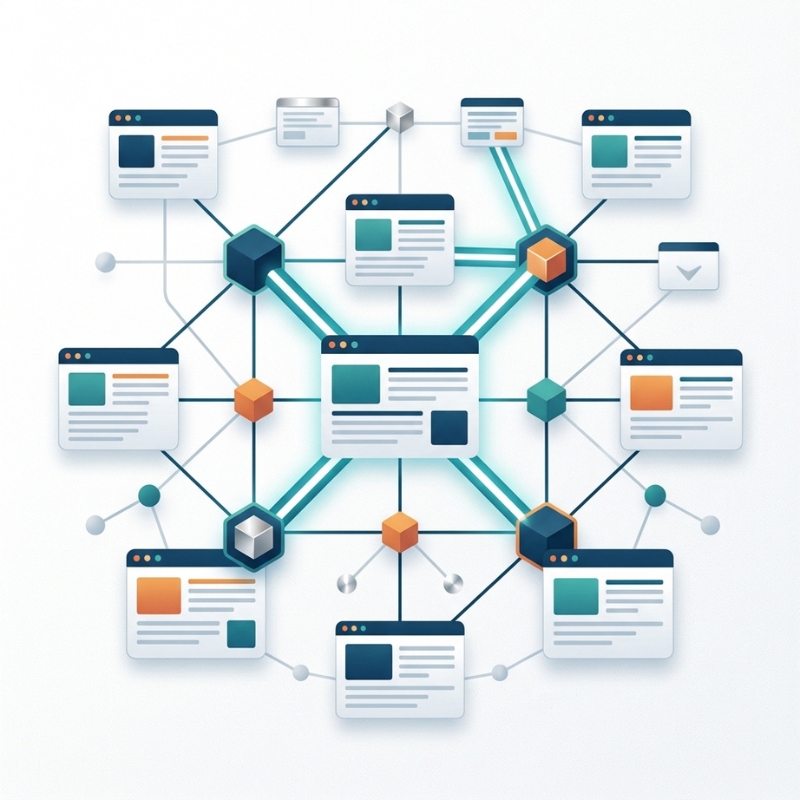
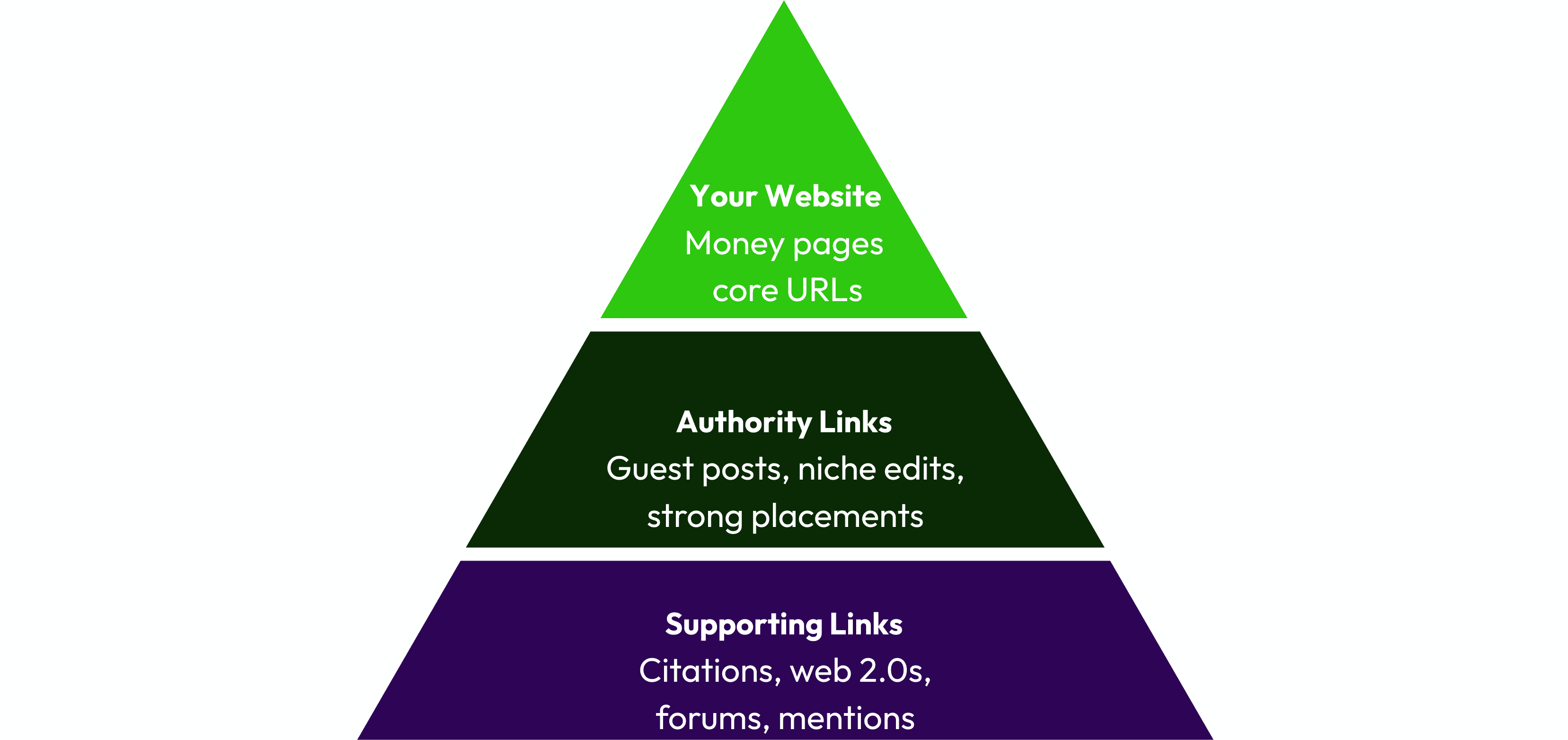
A tiered link structure is the most reliable method to insulate a primary asset from potential charges. In 2026, this topology should be more nuanced than in previous years. Tier 1 websites need to be indistinguishable from legitimate industry publications. These websites must have top quality styles, clear navigation, and outbound links to various authority sources that have absolutely nothing to do with the target niche.Tier 2 sites serve to provide the preliminary push of authority to Tier 1. These are typically niche-relevant blog sites or info portals that keep a good level of content quality but might not have the exact same level of style polish. The secret here is to prevent "circular connecting," where websites within the exact same tier link to each other. Every link must move upward or external, never ever sideways within the exact same cluster.Tier 3 is where the volume resides. These links are suggested to provide a structure of raw power and are usually dispersed throughout a large selection of platforms. While the quality requirements are lower here, the footprint risk remains high. If 10,000 Tier 3 links all use the very same CMS or the same comment-posting software application, the pattern is easily flagged. Demand for Asia Virtual Solutions LPM remains high because it supplies the required variety to mask these massive operations.
Content Entropy and AI Detection
By 2026, almost all automated networks utilize some form of AI for material generation. However, online search engine have actually ended up being skilled at determining the mathematical "fingerprint" of specific AI models. If every site in a network utilizes the very same prompt structure and the exact same model variation, the linguistic patterns become a footprint. Material entropy is the option. This includes differing the length of sentences, the intricacy of the vocabulary, and even the belief of the short articles. Some sites need to be extremely technical, while others take a more casual, anecdotal tone. Blending in different media types, such as images with distinct metadata and embedded videos from numerous platforms, further disguises the automated nature of the network.Another common mistake is the "About Us" and "Contact" page footprint. Lots of operators utilize templates for these essential pages. In 2026, search algorithms look for resemblances in the structure of these pages. Each site needs to have a distinct personality, with varying contact approaches and backstories that do not overlap.
Anchor Text Circulation and Timing
Over-optimization of anchor text is possibly the fastest method to set off a manual evaluation. In a natural surroundings, people do not constantly link using best keywords. They use brand name names, raw URLs, and generic phrases like "this source" or "check out more." A safe 2026 strategy involves a heavy leaning toward these natural anchors, with exact match keywords making up an extremely little portion of the total profile.Timing is similarly important. A natural website gains links over months and years, not all in a single week. Automated systems should be configured to drip-feed links at an irregular rate. A website that receives 50 links every Tuesday at 4:00 PM is plainly being manipulated. Randomizing the schedule of link placement ensures that the growth curve looks organic.Professional operators often discover that Asia Virtual Solutions High LPM Strategy provides the required oversight to manage these complex schedules without creating foreseeable spikes in activity. This level of management is what separates long-lasting successes from short-lived experiments.
Breaking the CSS and Framework Pattern
A subtle but reliable footprint is making use of identical WordPress themes or CSS frameworks. Search engines can examine the underlying code structure of a page to see if it matches countless other websites. Even if the colors and images are various, the "skeleton" of the site stays the same.To counter this, a network must utilize a range of content management systems. While WordPress is common, including websites built on Ghost, Hugo, or even flat HTML files produces a varied footprint. For WordPress sites, utilizing different page builders and custom-made CSS snippets can change the code signature enough to evade detection.Plugins likewise leave traces. If every site in a network utilizes the very same SEO plugin, the same caching tool, and the same security firewall, the commonality is apparent. Using different combinations of tools for each website-- or much better yet, using no plugins for particular functions-- makes the network appear like a collection of websites managed by various people with different preferences.
Behavioral Footprints and Bot Management
In 2026, online search engine likewise look at how "users" interact with a site. If a network of sites gets zero traffic however has countless outgoing links, it sticks out. Some operators use traffic simulation to create a footprint of activity, but this must be done carefully to prevent its own set of patterns. Managing how bots interact with the network is also vital. While you desire online search engine spiders to find your links, you do not desire competitive intelligence tools to map your entire network. Obstructing particular spiders through robots.txt or server-level headers can secure the network from competitors, however doing it identically throughout all websites is a footprint in itself. The finest practice is to differ the "security" posture of each site. Some might be broad open, while others use aggressive bot defense.
Future-Proofing in a Competitive Environment
As we move through 2026, the gap between low-grade "churn and burn" networks and high-level property clusters continues to widen. The former are often captured within weeks, while the latter can prosper for years. The distinction depends on the attention to detail concerning footprints.Safety is not about finding a single "technique" but about keeping an approach of randomness. Each time a brand-new website is contributed to the network, the operator should ask if that website shares any recognizable characteristic with the existing possessions. If the response is yes, that trait needs to be changed. Whether it is the registrar utilized to buy the domain, the email address used for the admin account, or the particular method the header is coded, every detail matters.The intricacy of handling these variables is why many pick to contract out the heavy lifting to developed entities. Browsing the technical requirements of modern search environments requires consistent alertness and a desire to adapt as detection methods develop. By concentrating on facilities diversity, content entropy, and a natural tiered geography, it is possible to build a strong existence in any specific niche without fear of automated discovery.The supreme goal is to build a network that does not look like a network. It should look like the web itself-- a disjointed, differed, and unforeseeable collection of info. When you attain that level of randomness, footprints disappear, and the long-lasting viability of the task is protected. In 2026, the most effective networks are the ones that no one knows exist.