Why Every Tier Needs an Unique Material Technique
Structural Structures of Tiered Linking in 2026
Browse algorithms in 2026 have actually reached a level of elegance where easy link building frequently stops working to move the needle in competitive sectors. Success depends upon how link equity streams through a multi-layered structure. The objective is to simulate a natural growth pattern while maintaining strict control over the anchor text profile that touches the primary domain. In many metropolitan markets, companies discover that a flat link profile-- where every link points directly to the main page-- triggers filters designed to capture abnormal patterns. This has actually led to the adoption of more complex geographies.
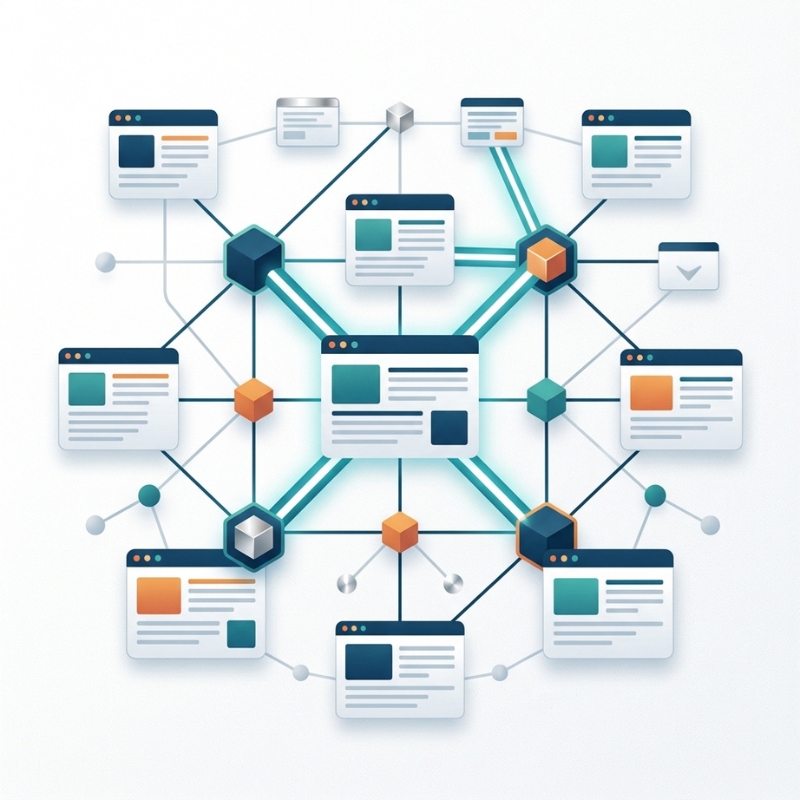
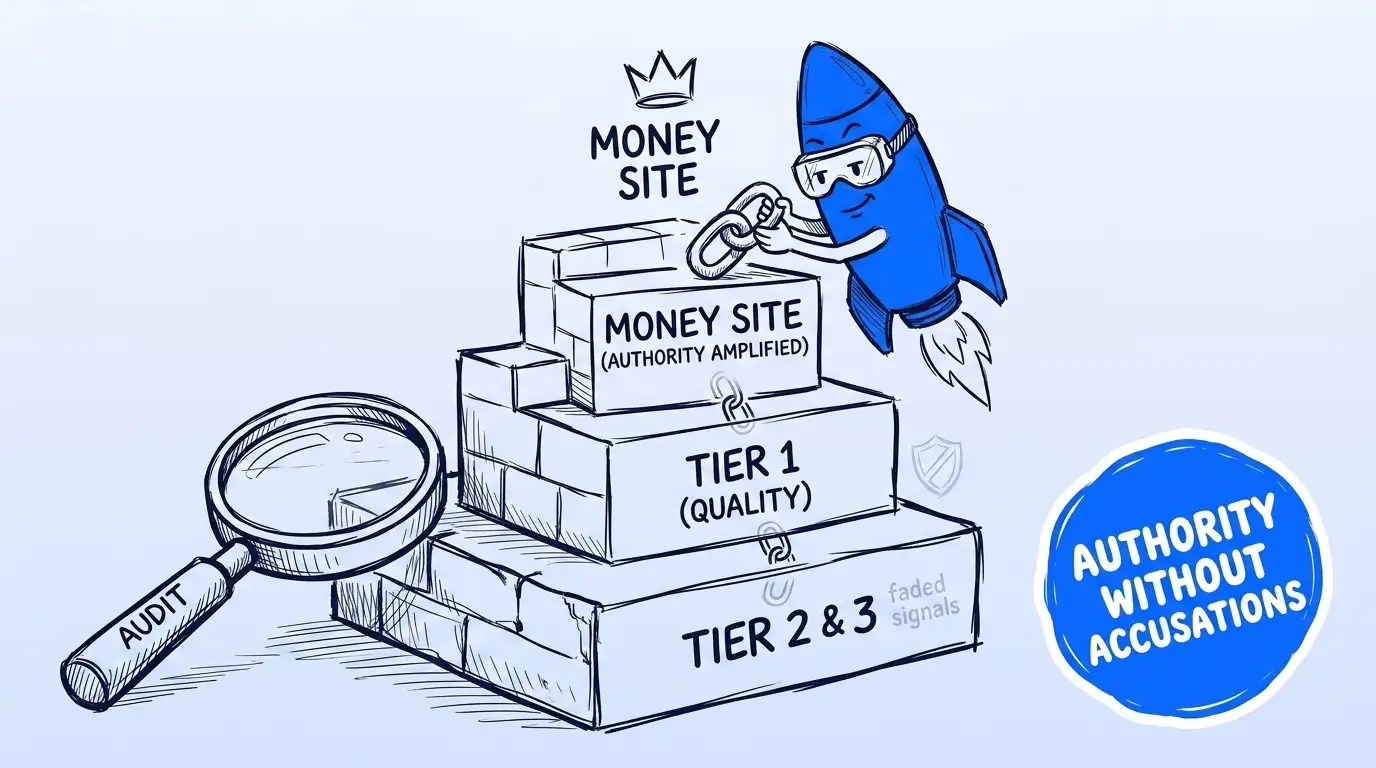
A tiered technique includes three or more layers of connection. The first layer consists of top quality, appropriate positionings that link to the main website. The second layer links to the first, and the 3rd layer links to the 2nd. This approach permits a more aggressive strategy on lower tiers without threatening the target domain. By the time the equity reaches the primary website, it has actually been infiltrated numerous layers of topically relevant material, making it appear far more natural to search spiders.
The choice of anchor text at the very first tier stays the most vital decision for any project in the regional market. Algorithms now prioritize brand name recognition over keyword density. Utilizing a variety of brand-related anchors assists develop the target website as an authority. For those looking at Asia Virtual Solutions Premium, the emphasis needs to be on keeping a clean ratio where direct keywords represent less than 5 percent of the overall profile. The rest of the profile must be made up of brand, naked URLs, and generic directions like checking out the website.
Enhancing the Intermediate Layer in local industries
The 2nd tier is where the power begins to accumulate. Due to the fact that these links do not point directly to the main website, they can use more detailed language. This layer acts as a buffer, allowing the campaign to utilize more specific phrases that might be considered too dangerous for a direct link. Proof shows that Asia Virtual Solutions Premium Link Lists works as a trustworthy mechanism for passing authority through to Tier 1 properties. These intermediate links must originate from platforms that have some existing traffic or social signals to guarantee they are indexed and valued by search engines.
Topical relevance is the main motorist of Tier 2 success in 2026. If a Tier 1 guest post talks about a particular service in a major city, the Tier 2 links pointing to that post should also be related to that service. This creates a cluster of pertinent material that indicates to the algorithm that the Tier 1 post is a considerable resource. It is no longer adequate to just blast a Tier 1 link with random remarks or online forum signatures. The quality of the supporting links matters nearly as much as the quality of the main link.
Range in source types is likewise essential. Utilizing a mix of niche-specific blogs, press releases, and high-authority profiles for Tier 2 assists build a natural-looking footprint. A lot of experts suggest a ratio of approximately 10 Tier 2 links for every single one Tier 1 link. This growth creates a pyramid shape that concentrates power as it moves up toward the primary domain. When the anchor text on these middle layers is diverse correctly, it avoids the entire structure from appearing like a manufactured scheme.
The Function of Tier 3 and Mass Indexing in 2026
The bottom layer of the topology is designed for volume. Tier 3 links are used to ensure that Tier 2 links are discovered and indexed by search engines. While the quality requirements for Tier 3 are lower, they must not be ignored completely. Low-quality spam can still cause concerns if it is too outright, even at this distance from the main site. In 2026, the focus for Tier 3 has shifted toward social bookmarks, wiki entries, and directory listings that provide a broad base of assistance.
Anchor text at the 3rd tier need to be nearly totally generic or URL-based. Considering that these links are indicating Tier 2 pages, the objective is simply to reveal the search engine that those Tier 2 pages are being pointed out throughout the web. Utilizing keywords at this level is often a waste of time and can sometimes lead to the devaluation of the Tier 2 links. A constant stream of new links to the lower tiers helps maintain the "freshness" signal that is progressively crucial for rankings in the local area.
Indexing has become harder as online search engine have actually ended up being more selective about what they include in their databases. A tiered campaign is only efficient if the links are in fact counted. Lots of specialists utilize dedicated indexing tools or social networks signals to motivate online search engine to crawl their Tier 2 and Tier 3 layers. Without these signals, a large part of a link-building spending plan may be invested in pages that are never even seen by the algorithm.
Threat Management in competitive niches
Handling the danger of a handbook or algorithmic charge needs continuous monitoring of the anchor text ratios throughout all levels. In extremely competitive sectors in urban centers, the pressure to utilize exact-match keywords is high. The most effective projects are those that remain patient. If a website begins to rank for a keyword, the natural response is to build more relate to that specific anchor. In 2026, this is a mistake that typically causes an abrupt drop in rankings.
Rather, when a site starts to gain traction, the method needs to shift toward more top quality and generic anchors. This enhances the idea that the website is a growing brand rather than a page enhanced for a specific term. Diversification is the only method to make sure long-lasting stability. This includes diversifying the types of domains used for links, the geographical area of the hosting servers, and the time of day when links are released. A really natural profile is messy and unforeseeable, and a tiered project should intend to duplicate that messiness within a controlled structure.
Regular audits are necessary to recognize any poisonous links that might have been gotten along the way. Often, competitors may even target a site with unfavorable SEO by building thousands of low-quality links with exact-match anchors. By having a tiered structure in location, a website is much better protected due to the fact that the primary domain is not the only point of entry for link equity. The buffers provided by Tier 1 and Tier 2 can frequently soak up the impact of these unfavorable signals before they reach the cash website.
The Future of Anchor Text Circulation
Looking ahead, the relationship in between anchor text and user habits is likely to tighten up. Online search engine are improving at figuring out whether a link is in fact being clicked. A link that is never clicked might become given less weight than one that drives actual traffic. This implies that the content surrounding the anchor text need to be engaging enough to motivate a click, even at the Tier 2 level. This shift toward "traffic-heavy" link structure is already becoming a requirement in 2026.
Using expert system in material generation has likewise altered how tiers are constructed. It is now possible to create countless special, topically appropriate posts for lower tiers at a very low expense. While this is useful for scaling, it also suggests that online search engine are on high alert for AI-generated patterns. Effective campaigns in the region usage human editors to oversee the AI-generated content to ensure it meets a minimum threshold of quality and does not include the normal linguistic markers that online search engine utilize to determine artificial text.
Ultimately, the goal of a tiered link topology is to construct a structure that can endure modifications in the search environment. By concentrating on brand name equity at the top and volume at the bottom, a campaign produces a resistant structure. As algorithms continue to evolve, the concepts of importance, authority, and variety will remain the three pillars of any effective digital strategy. Those who master the balance of these elements will continue to see growth, no matter how the technical details of search change over the coming years.
Consistency is typically more important than strength. A small number of links constructed on a monthly basis is generally more reliable than a massive burst followed by months of lack of exercise. This stable growth signals to the online search engine that the organization is broadening and getting authority naturally. In the competitive sectors of the modern marketplace, this long-lasting view is what separates the top-performing sites from those that have a hard time to preserve their positions on the very first page.