Why Anchor Text Precision Is More Crucial Than Ever
Managing Authority Flow in Modern Browse Systems
Success in high-competition digital environments no longer depends on single-layer backlink profiles. By 2026, search algorithms have ended up being adept at recognizing isolated link clusters that do not have historic context or surrounding authority. To preserve presence for professional solutions in the local market, specialists have pivoted towards multi-layered structures that simulate natural growth patterns. This technique guarantees that the target URL stays insulated from volatility while benefiting from the cumulative strength of hundreds of supporting pages.
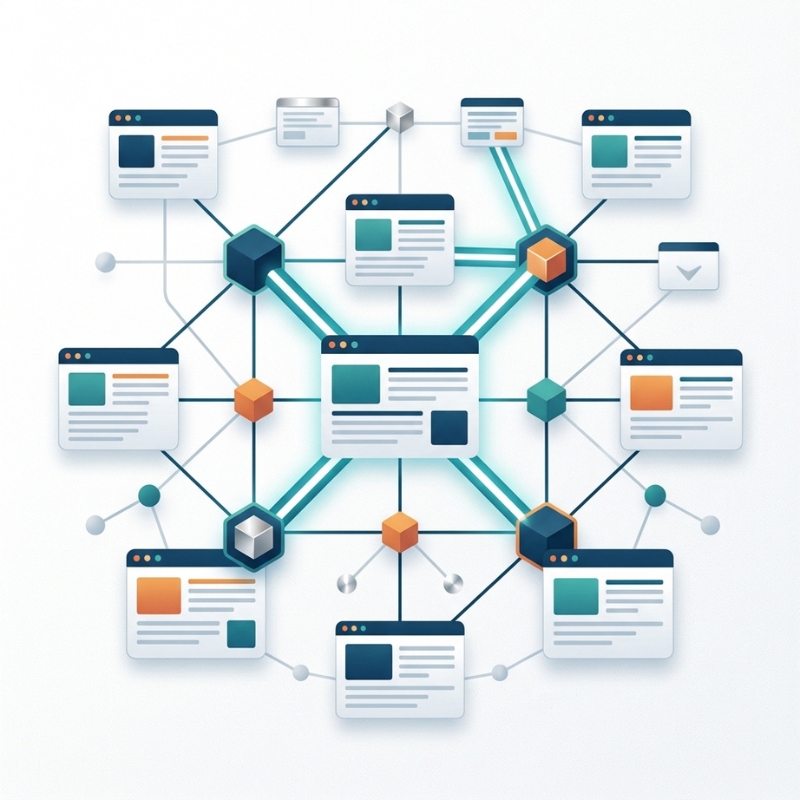
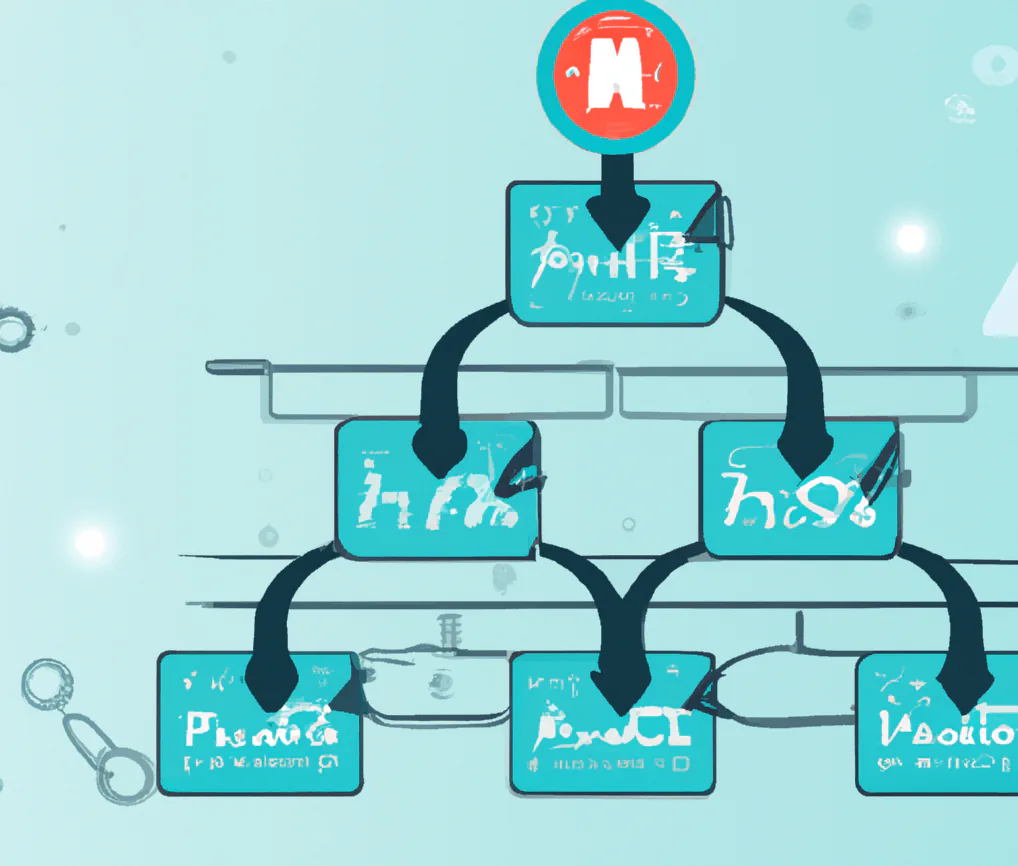
The core viewpoint of tiered link building in 2026 is based upon the concept of authority preservation. When a top quality link is positioned straight on a cash website, it supplies a direct increase. However, without supporting signals, that link can lose value in time as the page it rests on becomes buried in archives. By developing secondary and tertiary layers, the original link stays active, refreshed, and significantly effective. This technique develops a "buffer" in between the most aggressive tactics and the primary brand name possessions.
Structuring Tier 1 for the local market
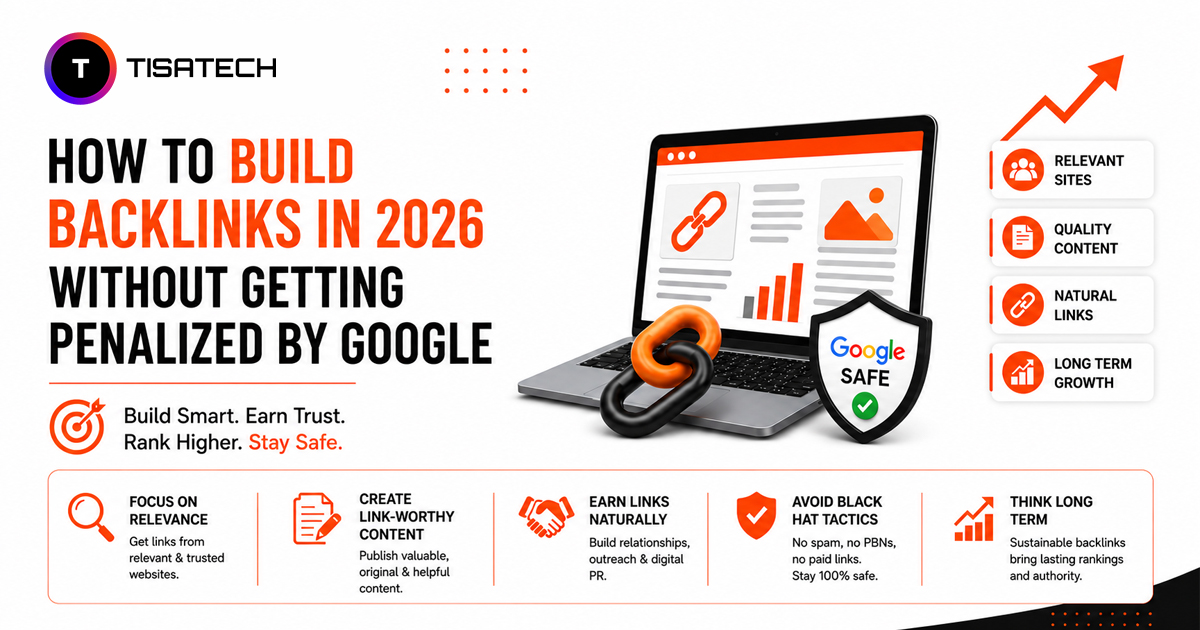
The very first tier includes links that point directly to the main website. In 2026, these should be of the highest quality, appearing on domains with authentic traffic and topical significance. Algorithms now search for "Entity-based" connections, suggesting a link from a website that discusses specialized industry topics carries significantly more weight than a generic news site. These links are the most expensive and time-consuming to acquire, making them the most important properties in the stack.
Safe distribution at this level involves a heavy concentrate on trademark name and naked URLs. Over-optimization of anchor text at the first tier is a primary reason for manual reviews or algorithmic suppression. Many companies concentrating on Asia Virtual Solutions recognize that direct links must bring high topical weight. By keeping Tier 1 anchors mainly branded, the site develops a "guard" of security, permitting for more aggressive keyword targeting at the lower levels where the threat is lower.
Consistency matters more than sudden spikes. A profile that acquires ten high-authority links in a week and then absolutely nothing for 6 months looks suspicious to modern-day AI filters. A stable drip of Tier 1 possessions, possibly 2 or 3 per month for a localized brand in the surrounding region, creates a footprint of constant growth that search engines trust.
The Role of Tier 2 in Powering Primary Assets
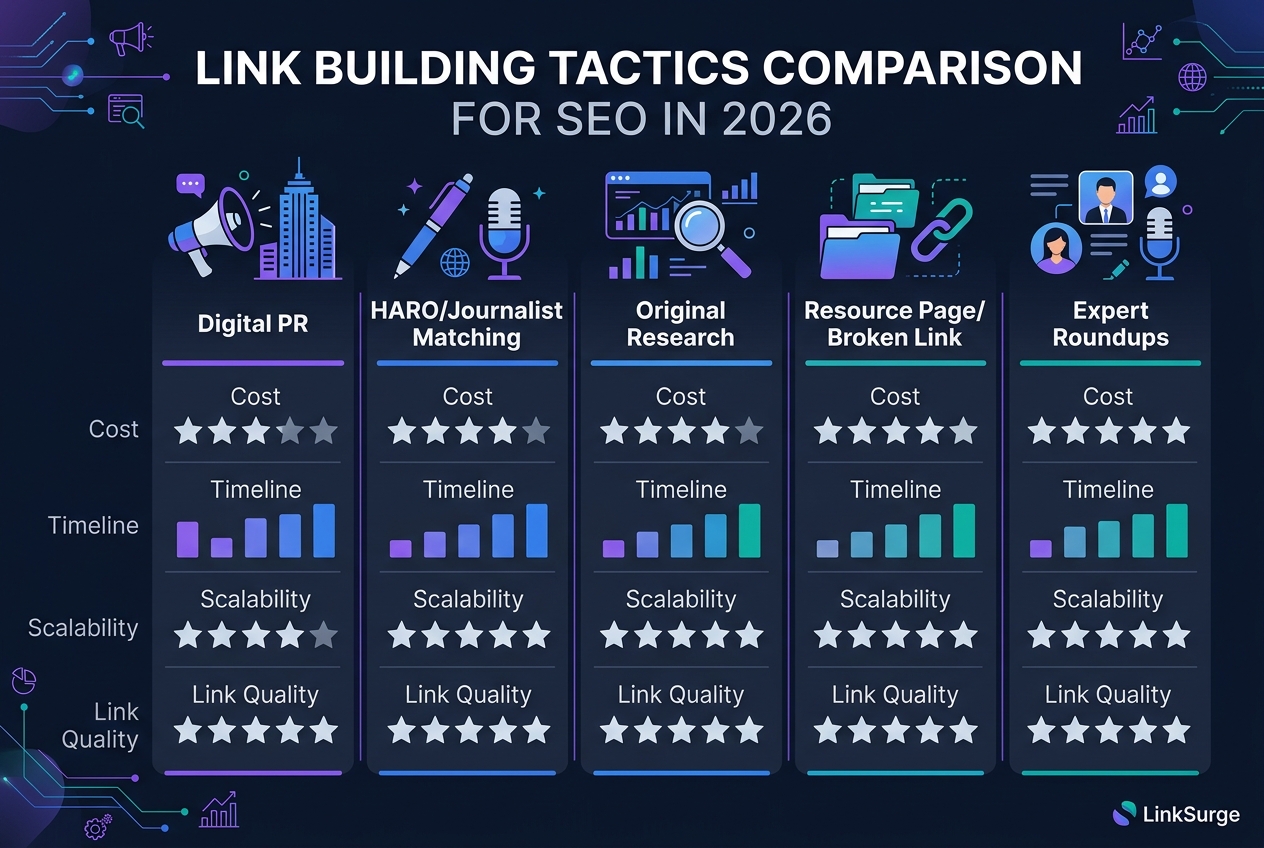
Tier 2 is where the real power is produced. These links do not point to the main website; rather, they indicate the Tier 1 links. The goal here is to increase the Page Authority of the guest posts, specific niche edits, and news release that comprise the very first layer. In competitive 2026 niches, a Tier 1 link on a DR 50 website is excellent, however a Tier 1 link on a DR 50 website that itself has twenty quality backlinks is far exceptional.
For a business in your local area, Tier 2 may consist of niche-specific blog posts, top quality Web 2.0 homes, and even well-placed social signals. The quality requirements are somewhat lower than Tier 1, but importance stays obligatory. If a Tier 1 link is on a technology blog site, the Tier 2 links supporting it should also be related to technology or company. Success often originates from a disciplined technique to Asia Virtual Solutions instead of basic volume.
One efficient method is the "Social Fortress" technique. This involves structure out profiles on established platforms and after that sending out Tier 2 links to those profiles. This produces a circle of authority that search engines consider as a genuine brand name existence. By 2026, the interaction between social signals and backlink authority has actually become more integrated, suggesting Tier 2 links frequently include a mix of do-follow and no-follow qualities to maintain a natural appearance.
Advanced Indexing Methods for Tier 2
A common mistake is presuming Tier 2 links will be discovered and indexed immediately. Since these links are deeper in the web structure, they need a push. Practitioners often utilize "indexing services" or "link crawlers" to guarantee that online search engine bots discover the Tier 2 layer. Without indexing, the link juice never flows to the Tier 1 layer, and the whole structure stays inactive. In the fast-moving world of digital marketing, waiting for natural discovery is a strategy for failure.
Tier 3: The Foundation of Scale
The 3rd tier is the bottom of the pyramid. These links point to Tier 2. The function here is pure volume and crawl frequency. In 2026, Tier 3 links are frequently automated, including online forum posts, profile links, and directory sites. While these would be unsafe if pointed at a main website, they are perfectly safe when utilized to power up Tier 2 possessions. They produce an enormous "buzz" around the secondary layer, forcing online search engine to re-crawl those pages regularly.
Topical significance is less strict at Tier 3, however it ought to not be overlooked completely. A total lack of significance across countless links can still set off "area" filters. Rather, the focus must be on diversity. Utilize a large range of platforms and a huge variety of anchor texts. This layer imitates the untidy, chaotic method the internet naturally connects to intriguing material. It provides the "raw energy" that the upper tiers improve and pass along to the primary site.
The volume of Tier 3 should be ten to twenty times that of Tier 2. This ratio creates a pyramid shape that focuses authority as it moves upward. If the pyramid is top-heavy, the structure lacks stability. If it is bottom-heavy without any middle layer, the power never reaches the top. Balance is the key to durability in any competitive market.
Handling Link Decay and Speed in 2026
One of the most overlooked elements of link geography is decay. Websites vanish, domains expire, and links are eliminated. A structure that was effective in January might be burrowed by December. Keeping track of the status of Tier 1 and Tier 2 links is essential for keeping rankings in specific niches like professional consulting.
Link velocity-- the speed at which new links are gotten-- should likewise be handled throughout all 3 tiers. A sudden rise in Tier 3 links should be followed by a proportional boost in Tier 2 and Tier 1 activity. This "collaborated growth" looks natural. Online search engine in 2026 use temporal analysis to see if a website's appeal is growing organically. If just the Tier 3 layer is growing, it indicates a low-grade automation effort. If all layers grow together, it looks like an effective PR campaign or a viral moment.
Automation tools have actually become more advanced, enabling "drip-feeding" of links over weeks or months. This avoids the "spike and drop" patterns that formerly characterized black-hat SEO. Modern systems now replicate human behavior, varying the time of day and the day of the week when links are published. This level of detail is what separates professional link building from amateur spam.
Footprint Avoidance and Security Protocols
The greatest risk in tiered link building is the footprint-- a pattern that reveals the links are managed by the same person. To prevent this in 2026, practitioners must use different hosting suppliers, different domain registrars, and various WHOIS information for their different assets. If the online search engine can link the Tier 2 links to the Tier 1 links through a shared IP address, the whole network can be devalued instantly.
Diversifying anchor text is another vital precaution. In 2026, using "LSI" (Hidden Semantic Indexing) keywords and "Entity" keywords has actually replaced easy synonym use. Rather of just using variations of the primary service, successful campaigns include related ideas, geographical markers for the local area, and even "sound" anchors like "go to here" or "source." A natural profile is never ideal; it is unpleasant and differed.
The "quality of the area" can not be ignored. Even at Tier 3, positioning links on websites that are clearly part of a "bad community"-- such as those including adult material or unlawful software-- can pass unfavorable signals upward. High-volume link building must still consist of fundamental filtering to make sure the environment stays clean enough to be neglected by automated spam detectors.
Measuring Success Beyond Rankings
While the primary objective of enhancing link juice circulation is to enhance search position, there are secondary benefits. A well-structured pyramid frequently results in faster indexing of new material on the primary site. Because the crawlers are continuously striking the Tier 3 and Tier 2 layers, they discover their method to the Tier 1 links and, eventually, to the money website regularly. This increased "crawl spending plan" enables for faster updates and quicker recovery from any technical issues.
Referral traffic from Tier 1 visitor posts can be a considerable source of leads for a company in the region. While the main function is SEO, a high-quality link on a pertinent site typically brings in real readers. This traffic acts as a "trust signal" to online search engine. Websites that get traffic through their backlinks are treated with much greater regard than sites with countless "dead" links that nobody ever clicks. In 2026, the "click-through" on a backlink is among the greatest indicators of authority readily available.
Developing a multi-tiered system is not a one-time job but a continuous upkeep job. The most effective sites in competitive specific niches are those that continue to feed the bottom of the pyramid while sometimes including high-value assets to the top. This produces a self-sufficient cycle of authority that is challenging for rivals to duplicate without a similar long-lasting commitment.