Vital Insights for Backlink Software Power
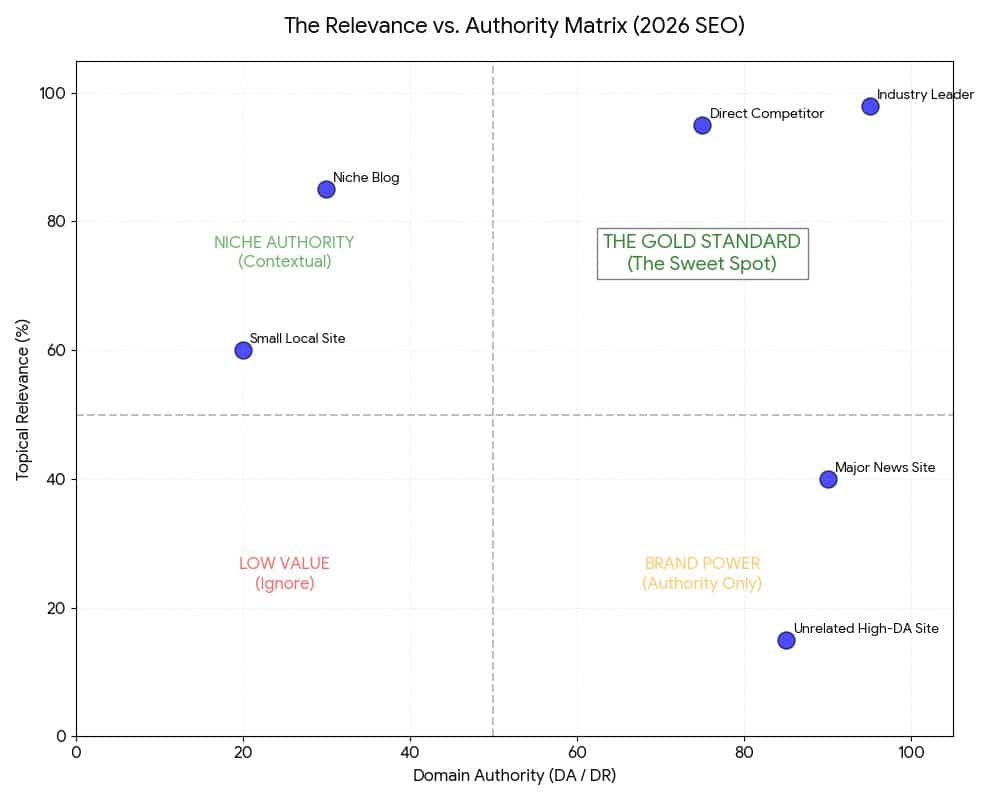
I wrote everything about what that lens is on my pal's company blog site. You can inspect it out here. Regardless, all of this ties into the very first trend we went over EEAT. Compose from lived experience, produce initial media in the kind of images and YouTube videos, and develop your topical authority. Doing so is how you win at SEO in 2026.
Business companies that invested big on AI SEO tools in 2024-2025 are recognizing the ROI wasn't there. Anticipate to see a shift in 2026 where decision makers get more hesitant about AI promises and begin requiring evidence of results before dedicating to renewals. There are a lot of AI-powered tools out there, and a lot of them have actually been targeting SEOs.
promote an RSS feedWhat I've concerned realize is that And I know I'm not the only one who's thinking by doing this. I met the SEO Lead of a huge business monetary business (every American would understand the name of the business). This person informed me that they have a 7 figure (not going to reveal the actual number) yearly SEO budget plan.
Automated vs Manual SEO Frameworks
So this person looked for ways to invest the money, and what much better way than all these brand-new AI tools. This individual paid nearly 6 figures for an AI tracking tool. When I asked what took place and if it was worth it, this individual just shrugged their shoulders and said "mehh."This informs me lots of business are offering air just due to the fact that they can.
And as an outcome, these business will pivot their messaging to fit whatever the next patterns are. It happens all the time, in every market, and every professional field beyond simply SEO. Repeat. To be clear, I'm not stating AI will die or a bubble will burst. I can't anticipate that.
promote an RSS feedIn a hectic AI world, SEO is ahh got ya!"This is precisely what is incorrect with SEO and marketing right now.
How to Scale SEO Workflows in 2026
What you must focus on in your career is getting much better at linking with others. We desire to be seen, comprehended, valued, and inspired.
If 2024-2025 was the year of AI, 2026 will be the year things begin to move towards the human. Individuals are fed up with all the BS being posted online.
We let corporations exploit our attention for advertisement dollars and, as my 10 year old nephew would say, we have "brainrot."The more youthful generation is wise. They can identify AI and fakeness from a mile away. They desire genuine stuff. And this produces the perfect environment for a huge SEO opportunity ahead.
Can you think it?! I genuinely think, down to my core, that if you're willing to put care into your work. The kind of care where you believe more about serving your readers (or viewers) more than you do yourself, you will win in the long term. I hope I can be an example of this, and aid others discover their method too.
Automated vs Manual SEO Models
Yes, it's about talking about my passion marketing. It's more about revealing that you can build a fulfulling service, on your own, as long as you think long term and care about individuals. Posting an AI produced article in not care. Utilizing a LinkedIn automation tool to leave AI comments to grow your online presence is not care.
If there's one take away from all of this, be for the people. Also, pay attention to how search engines crawl, index and rank material. These are the SEO methods for 2026, that combined, will actually work.
I'll be frank: most tools in this space are offering you a dashboard and calling it automation. Genuine automated SEO optimization suggests the metadata gets fixed, the content gets released, and the schema gets upgraded without you touching a ticket queue. This post covers how the complete loop actually works and which tools in 2026 are closing it versus simply reporting on it.
Maintouch runs keyword research, material publishing, technical fixes, backlink procurement, and AI citation tracking across 5 engines inside one system. Automated SEO optimization indicates using software and AI to run the repetitive, data-heavy parts of SEO without someone doing it by hand every time. Metadata fixes, keyword tracking, material publishing, schema markup, internal connecting.
Companies aren't purchasing control panels any longer. The majority of SEO tools provide you information: broken links, keyword gaps, ranking modifications. Automated SEO optimization goes even more.
Automated vs Manual SEO Frameworks
Most of the SEO workflow can be automated in 2026: keyword research, content generation, on-page optimization, schema markup, CMS publishing, and rank tracking. Website audits, crawl tracking, and rank tracking throughout search engines and AI answersMetadata generation, schema markup, and internal connecting based on ranking dataContent preparing, CMS publishing, and efficiency reporting Material method calls: which subjects to pursue, which to skipBrand positioning and voice decisionsRelationship-driven link outreach (cold emails from a bot get dealt with like cold e-mails from a bot)Quality assurance on published contentIf a job follows a pattern and runs on data, automate it.
Three layers make the engine run: data in, analysis, execution out. The input layer pulls from crawl information, Google Browse Console, rival rankings, keyword databases, and (in more advanced systems) sales call recordings and CRM signals. The system ingests it constantly, not on a schedule you set manually. The processing layer is where AI does the sorting.
Thousands of signals lowered to a ranked list of actions. The execution layer is where most tools stop and a closed-loop system keeps going. A monitoring-only tool hands you the ranked list and wants you luck. A closed-loop system presses the metadata repair to your CMS, generates the draft, requests Google indexing, and updates the schema.
A technical audit that takes 40 hours manually finishes in two hours with automation, releasing those 38 hours for tactical work that still requires an individual. Technical SEO automation get into four categories, each getting rid of a various manual bottleneck. Arranged crawls run daily versus your sitemap and a recursive crawl of the full website, catching damaged links, missing out on metadata, orphaned pages, and indexing errors before they intensify.