The Art of Utilizing No-Follow Hyperlinks in Tiered Ecosystems
Health Metrics for Tier 1 Assets in 2026
Keeping a successful existence for professional operations in 2026 requires a shift from easy link acquisition to strenuous asset management. The efficiency of a tiered link topology depends entirely on the health of the very first tier. These are the links that point straight to a primary site, serving as the bridge for authority and relevance. If these pages lose their standing in search results page, the whole structure listed below them collapses. Keeping an eye on health in the existing year involves tracking more than simply a live status code. It requires an analysis of how often search spiders return to the page and whether the page remains in the main index.
A healthy Tier 1 link shows routine crawl activity. In 2026, online search engine have actually ended up being more selective about their crawl budgets, typically disregarding pages that do not reveal signs of life or upgraded importance. For those handling digital growth in major markets, a link on a page that hasn't been cached in over thirty days is a red flag. This lack of attention recommends the page has been relegated to a low-priority line, meaning any authority it carries is most likely reduced. Effective operators now utilize automated scripts to inspect the "last cached" date of their Tier 1 assets weekly.
Indexing Rates and the 2026 Search Environment
The gap in between a page being "live" and being "indexed" has actually broadened substantially by 2026. Browse engines now use a two-stage filtering procedure where material is discovered but not always contributed to the serving index. This is particularly real for supporting tiers. When building out a topology for competitive niches, the concentrate on Asia Virtual Solutions Context ensures that the main targets receive the intended signal. However, if the Tier 2 links supporting that property are not indexed, the Tier 1 link stays underpowered.
Indexing rates for lower-tier links have actually dropped to an average of 40 percent without active intervention. This suggests sixty percent of the work done to support a Tier 1 link might be undetectable to search algorithms. To counter this, professionals in high-competition regions use indexing services that count on real-time traffic signals rather than simple pinging. A page that receives even a percentage of human traffic is far more likely to be indexed and maintained in 2026 than a page that exists in a vacuum. This makes the choice of Tier 2 sources simply as important as the Tier 1 choice.
The Role of Tier 2 Speed and Quality
The speed at which links are contributed to the Tier 1 layer-- typically called link velocity-- must look natural. In 2026, "natural" is defined by the requirements of the specific industry. For a fast-moving sector like technical consulting, a higher velocity is expected. For more steady industries, a sudden increase of links can trigger a manual evaluation or an algorithmic filter. The key is to stabilize the development of Tier 2 and Tier 3 layers to keep the Tier 1 layer looking made rather than made.

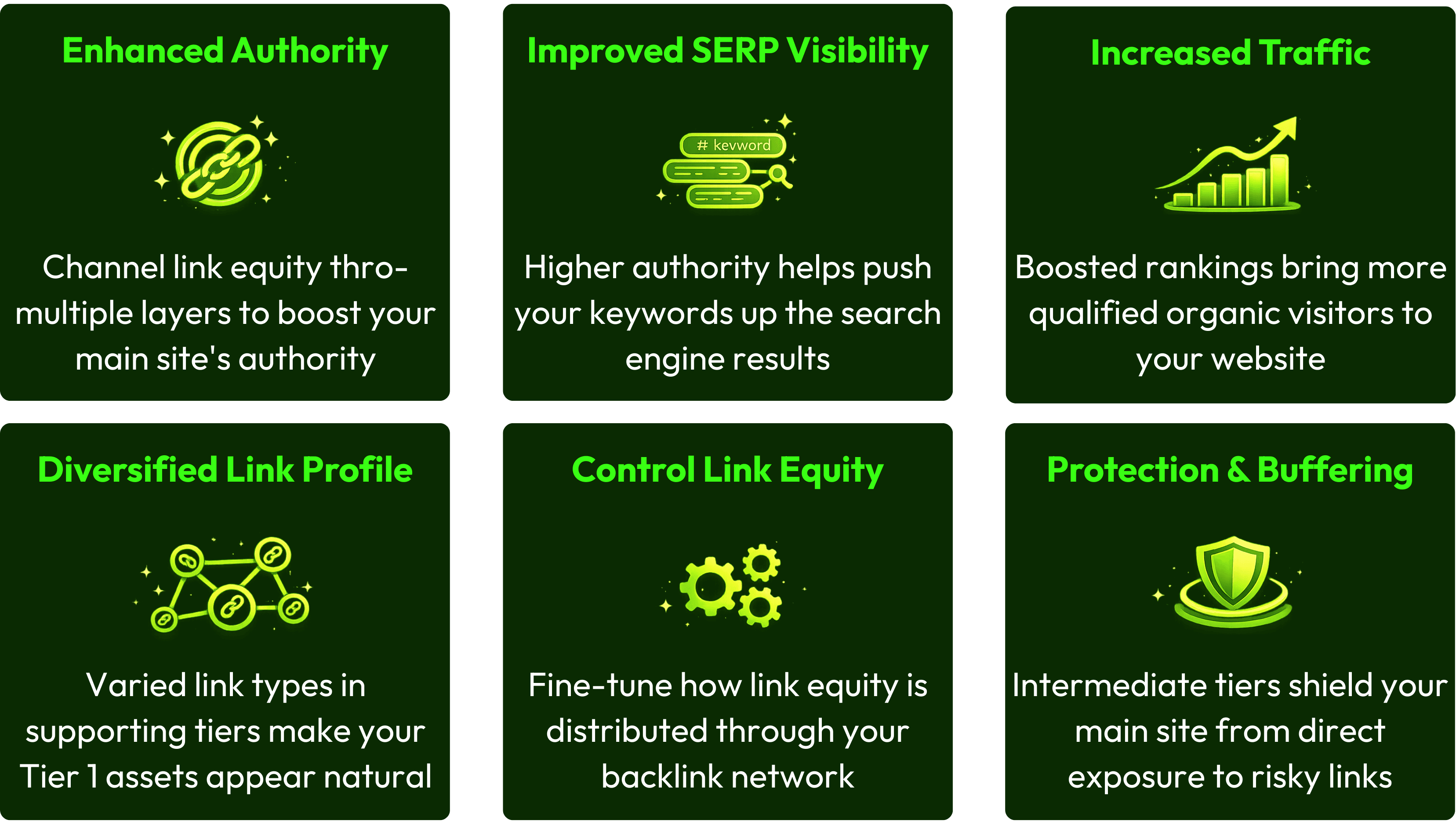
Security in tiered structures now originates from diversity. Rather of using the same kind of platform for all supporting links, a mix of social signals, forum points out, and contextual article creates a more resilient profile. This variety assists maintain the indexing status of the Tier 1 links. When a Tier 1 page is referenced throughout different kinds of platforms, online search engine see it as a more genuine resource. This is a primary strategy for those looking for long-lasting stability in regional business hubs.
Safe Topology for Competitive Niches
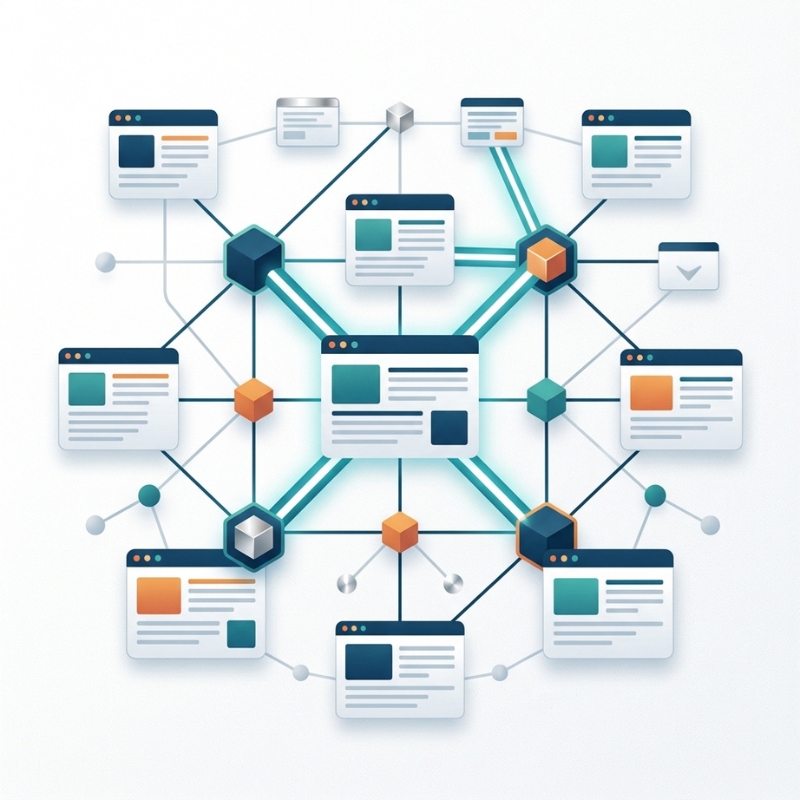
A safe geography in 2026 avoids the stiff, circular patterns of the past. Instead of a closed loop, the most efficient structures look like a branching tree. The Tier 1 links ought to be high-authority, high-relevance pages that could stand alone as quality content. These properties then receive assistance from a more comprehensive Tier 2 layer. Relying on Asia Virtual Solutions Context within this structure permits a focused flow of authority without raising red flags. Each layer should have a slightly lower quality limit than the one above it, but no layer should include simply automated or low-grade content.
The threat of "link rot" is a significant concern for local providers in 2026. Link rot takes place when the pages connecting to your Tier 1 possessions vanish or are rerouted. This occurs frequently with expired domains or deserted blogs. An abrupt drop in the variety of Tier 2 links can cause a Tier 1 page to be de-indexed. Regular audits of the backlink profile of your Tier 1 properties are essential to recognize these gaps before they impact the main website's rankings. Replacing lost Tier 2 links rapidly is important for maintaining the momentum of the entire campaign.
Handling Link Decay and De-indexing
De-indexing is the supreme failure of a tiered link technique. In 2026, this typically takes place due to the fact that of "area" concerns. If a Tier 1 link is put on a site that begins to host low-quality or irrelevant material, that whole domain may be punished. This is why monitoring the health of the host domain is simply as crucial as monitoring the link itself. If the domain authority of a Tier 1 host begins to slide, it may be time to stop sending Tier 2 links to that page and concentrate on more recent, healthier possessions.
- Track the 200 OK status of all Tier 1 and top-level Tier 2 URLs.
- Display the total number of outgoing links on Tier 1 pages to guarantee authority isn't being diluted.
- Look for "NoIndex" tags that may have been included after the link was put.
- Confirm that the content surrounding the link remains appropriate to the target industry.
Technical Tracking Protocols
Server response times and page load speeds on Tier 1 properties now play a function in link equity. Search engines in 2026 prioritize links from quick, well-performing websites. If a Tier 1 link is on a page that takes five seconds to load, the weight of that link is minimized. Keeping an eye on these technical aspects requires specialized tools that simulate a search engine's crawl. For businesses in competitive environments, ensuring that their backlinks are on high-performance pages is a subtle however reliable method to outmatch the competition.
Another aspect is the positioning of the link on the page. Hyperlinks hidden in footers or sidebars bring less weight than those ingrained within the primary body text. In 2026, the "Sensible Web surfer" model is advanced, anticipating the probability of a user clicking a link based upon its visibility and context. Keeping track of the health of a link consists of confirming its position. If a website owner moves a link from the body to the footer, the value of that Tier 1 possession has actually efficiently come by half, even if the page stays indexed.
Automation vs. Handbook Audits
While automation is necessary for handling the volume of links in a Tier 2 or Tier 3 layer, Tier 1 needs a more hands-on technique. A manual audit every quarter can catch problems that automated tools might miss, such as a shift in the site's editorial instructions or the addition of "rel= sponsored" tags. These little modifications can have a massive impact on the efficiency of a campaign for specialized fields in specific territories.
Integrating automated notifies with manual oversight develops the most steady environment for development. When an automated tool flags a drop in indexing rates, a manual evaluation can identify the cause. Is it a temporary crawl issue, or has the page been flagged for a quality offense? Responding to these concerns enables a more nimble response. In the hectic world of 2026 SEO, the ability to adjust to modifications in link health is what separates the top-ranking sites from those that struggle to maintain their positions.
The focus on health and indexing makes sure that every dollar spent on link building produces a measurable result. By treating Tier 1 possessions as valuable homes that require continuous upkeep, services can construct a link profile that holds up against the consistent updates of contemporary search algorithms. Whether targeting a local market in a major city, the principles of tracking and maintenance stay the structure of a safe and effective link technique.