Reconsidering the Frequency of Anchor Text Updates

Detection Systems in 2026
Search engine crawlers in 2026 have actually moved far beyond simple link counting and fundamental keyword matching. Modern detection systems now use maker learning designs that examine the possibility of a link existing naturally within a particular context. When constructing a big network, the main risk is no longer a human reviewer but an automated pattern-recognition engine that identifies clusters of sites based on shared technical and behavioral traits.For those running in highly competitive niches, the objective is to remain unnoticeable within the enormous volume of the open web. A single mistake in server setup or a repeated content pattern can cause the suppression of a whole property cluster. Avoiding these footprints needs a layered approach to infrastructure, content, and link topology that simulates the unpleasant, messy growth of the genuine internet.
Facilities Variety and Server Signatures
The technical foundation of any network is frequently where the most obvious footprints are left. In 2026, search engines can easily cross-reference IP ranges, DNS providers, and even the specific versions of server software being utilized. Utilizing a single "SEO hosting" service provider is a considerable threat since these services frequently group multiple clients on the same subnets, creating an instant association between unassociated projects.Successful operators now disperse their possessions throughout a wide array of hosting environments. This includes a mix of major cloud suppliers, smaller local information centers, and even edge computing platforms. By differing the geographical location and the moms and dad business of the hosting, the network looks like a collection of independent entities rather than a central project.Another technical footprint involves SSL certificates. If every website in a 500-site network utilizes the exact same free certificate authority with similar renewal dates, a pattern emerges. Randomizing certificate suppliers and guaranteeing that renewal dates are staggered throughout months rather than days helps break this link. Likewise, DNS settings ought to be differed. Some websites may use the registrar default, while others utilize third-party cloud DNS or personal name servers.
The Safe Tiered Link Topology
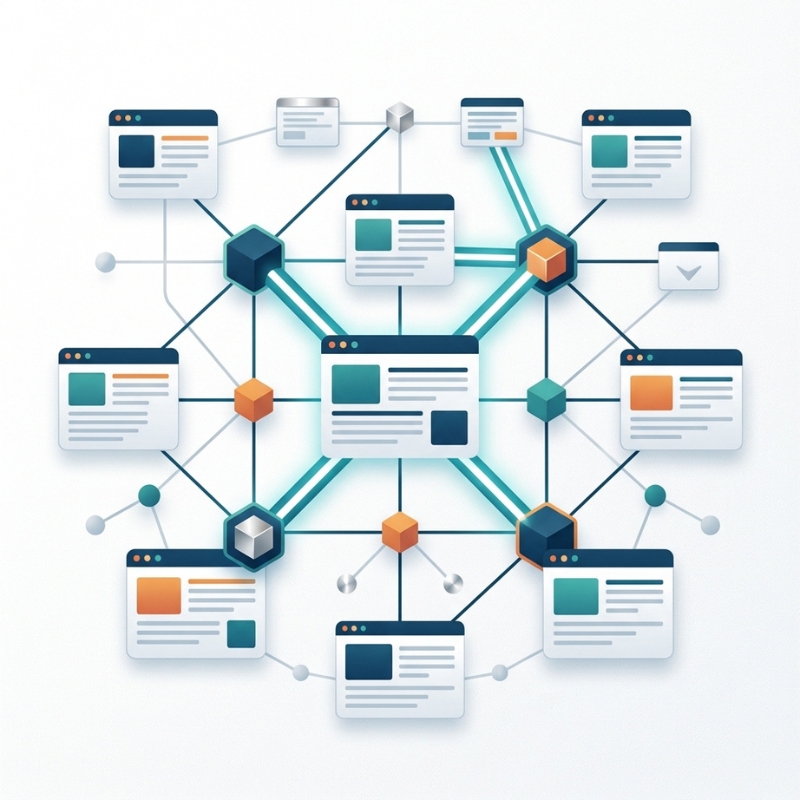
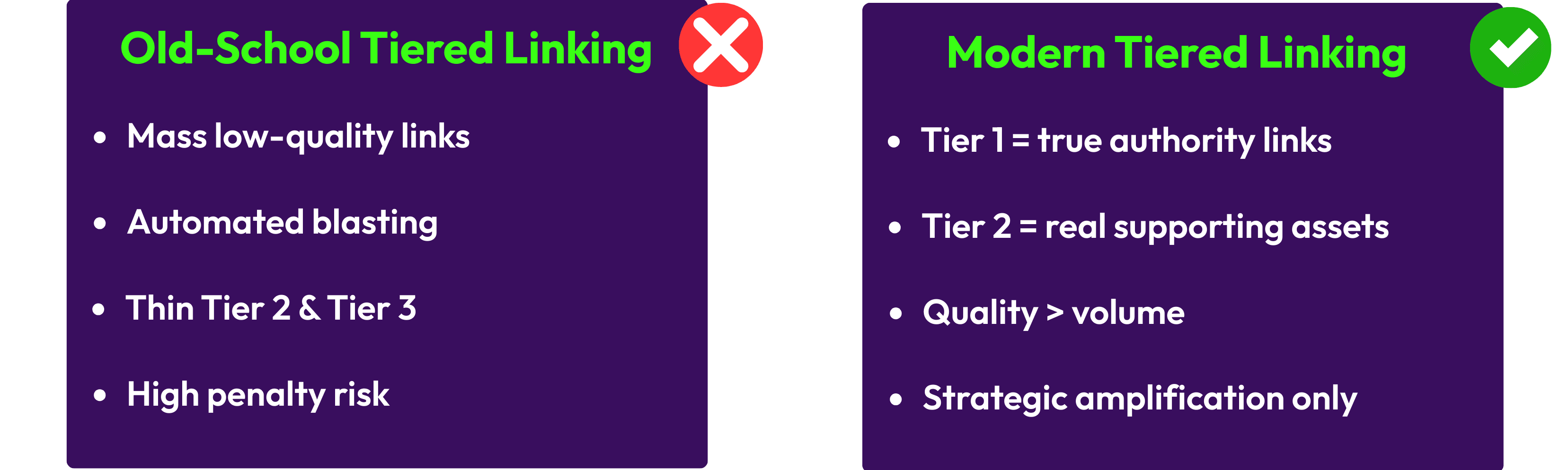
A tiered link structure is the most reliable way to insulate a main property from potential penalties. In 2026, this geography must be more nuanced than in previous years. Tier 1 sites need to be indistinguishable from legitimate industry publications. These websites ought to have premium styles, clear navigation, and outbound links to different authority sources that have nothing to do with the target niche.Tier 2 websites serve to offer the preliminary push of authority to Tier 1. These are frequently niche-relevant blogs or details websites that preserve an excellent level of content quality however may not have the exact same level of design polish. The key here is to prevent "circular linking," where sites within the very same tier link to each other. Every link needs to move up or outward, never ever sideways within the same cluster.Tier 3 is where the volume resides. These links are suggested to supply a foundation of raw power and are normally dispersed across a large range of platforms. While the quality requirements are lower here, the footprint risk remains high. If 10,000 Tier 3 links all use the same CMS or the very same comment-posting software, the pattern is quickly flagged. Demand for Asia Virtual Solutions Strategies remains high due to the fact that it supplies the essential variety to mask these massive operations.
Material Entropy and AI Detection
By 2026, almost all automated networks use some type of AI for content generation. However, search engines have actually become proficient at identifying the mathematical "fingerprint" of specific AI models. If every site in a network utilizes the same prompt structure and the very same model variation, the linguistic patterns become a footprint. Material entropy is the option. This includes differing the length of sentences, the complexity of the vocabulary, and even the belief of the short articles. Some websites ought to be highly technical, while others take a more casual, anecdotal tone. Blending in different media types, such as images with distinct metadata and embedded videos from various platforms, further disguises the automatic nature of the network.Another typical error is the "About Us" and "Contact" page footprint. Numerous operators use design templates for these necessary pages. In 2026, search algorithms look for resemblances in the structure of these pages. Each site must have an unique personality, with differing contact techniques and backstories that do not overlap.
Anchor Text Circulation and Timing
Over-optimization of anchor text is maybe the fastest method to activate a manual evaluation. In a natural surroundings, individuals do not constantly link utilizing best keywords. They utilize trademark name, raw URLs, and generic phrases like "this source" or "learn more." A safe 2026 strategy includes a heavy leaning towards these natural anchors, with exact match keywords comprising an extremely little portion of the overall profile.Timing is similarly crucial. A natural website gains links over months and years, not all in a single week. Automated systems must be programmed to drip-feed links at an irregular speed. A site that gets 50 links every Tuesday at 4:00 PM is plainly being manipulated. Randomizing the schedule of link positioning makes sure that the growth curve looks organic.Professional operators frequently discover that Asia Virtual Solutions Tiered Link Structure offers the essential oversight to manage these intricate schedules without creating foreseeable spikes in activity. This level of management is what separates long-lasting successes from short-term experiments.
Breaking the CSS and Framework Pattern
A subtle however efficient footprint is using identical WordPress styles or CSS frameworks. Online search engine can evaluate the underlying code structure of a page to see if it matches thousands of other websites. Even if the colors and images are various, the "skeleton" of the website stays the same.To counter this, a network should make use of a variety of content management systems. While WordPress is common, incorporating sites built on Ghost, Hugo, or even flat HTML files develops a varied footprint. For WordPress sites, using various page home builders and custom CSS bits can alter the code signature enough to avert detection.Plugins also leave traces. If every site in a network utilizes the very same SEO plugin, the exact same caching tool, and the exact same security firewall, the commonness is apparent. Using different combinations of tools for each site-- or much better yet, utilizing no plugins for particular functions-- makes the network appear like a collection of websites handled by various individuals with different preferences.
Behavioral Footprints and Bot Management
In 2026, online search engine likewise look at how "users" communicate with a website. If a network of websites gets no traffic however has countless outbound links, it stands apart. Some operators use traffic simulation to produce a footprint of activity, however this must be done carefully to prevent its own set of patterns. Managing how bots engage with the network is also essential. While you desire search engine spiders to find your links, you do not want competitive intelligence tools to map your entire network. Blocking particular spiders through robots.txt or server-level headers can protect the network from competitors, however doing it identically throughout all websites is a footprint in itself. The very best practice is to differ the "security" posture of each website. Some may be large open, while others utilize aggressive bot protection.
Future-Proofing in a Competitive Environment
As we move through 2026, the gap in between low-quality "churn and burn" networks and top-level possession clusters continues to widen. The former are frequently captured within weeks, while the latter can prosper for years. The difference lies in the attention to information relating to footprints.Safety is not about finding a single "technique" however about maintaining a philosophy of randomness. Whenever a brand-new website is contributed to the network, the operator needs to ask if that website shares any recognizable characteristic with the existing properties. If the answer is yes, that quality needs to be changed. Whether it is the registrar utilized to buy the domain, the e-mail address utilized for the admin account, or the specific method the header is coded, every information matters.The intricacy of managing these variables is why many pick to contract out the heavy lifting to developed entities. Navigating the technical requirements of modern-day search environments needs continuous vigilance and a desire to adjust as detection techniques develop. By concentrating on facilities variety, material entropy, and a natural tiered geography, it is possible to develop a strong existence in any specific niche without fear of automated discovery.The ultimate goal is to develop a network that does not look like a network. It should appear like the internet itself-- a disjointed, differed, and unforeseeable collection of information. When you attain that level of randomness, footprints disappear, and the long-lasting viability of the job is secured. In 2026, the most successful networks are the ones that nobody knows exist.