Navigating Future Search Markets with Software

Bulk metadata updates and reroute management complete the stack. Fixing 200 title tags or setting up 301 redirects after a URL restructure should not need a designer sprint. Automated systems batch-process these changes and push them straight to the CMS, skipping the ticket line. Flagging a damaged canonical tag in a control panel is keeping an eye on.

Keyword research study utilized to indicate pulling a list from Semrush, arranging by volume, and choosing the biggest numbers. Automation modifications what's possible here, but the real shift remains in what gets surfaced. AI-driven keyword tools cluster associated terms, classify search intent across those clusters, and run competitor space analysis instantly.
The more fascinating layer is zero-volume question discovery, queries with one or two Search Console impressions, too little for conventional keyword tools to flag. Content constructed around those queries directly responds to the concerns AI systems are fielding, which drives citation outcomes. Feed in sales call recordings and CRM data, and the strategy gets sharper.
That language becomes your keyword map, your content calendar, your angle on every piece. Companies that automate content publishing produce 3x more content than those that don't. Volume without quality controls produces content that damages authority rather of developing it. The very same reasoning uses to links not all backlinks are equal, and understanding is worth your time.
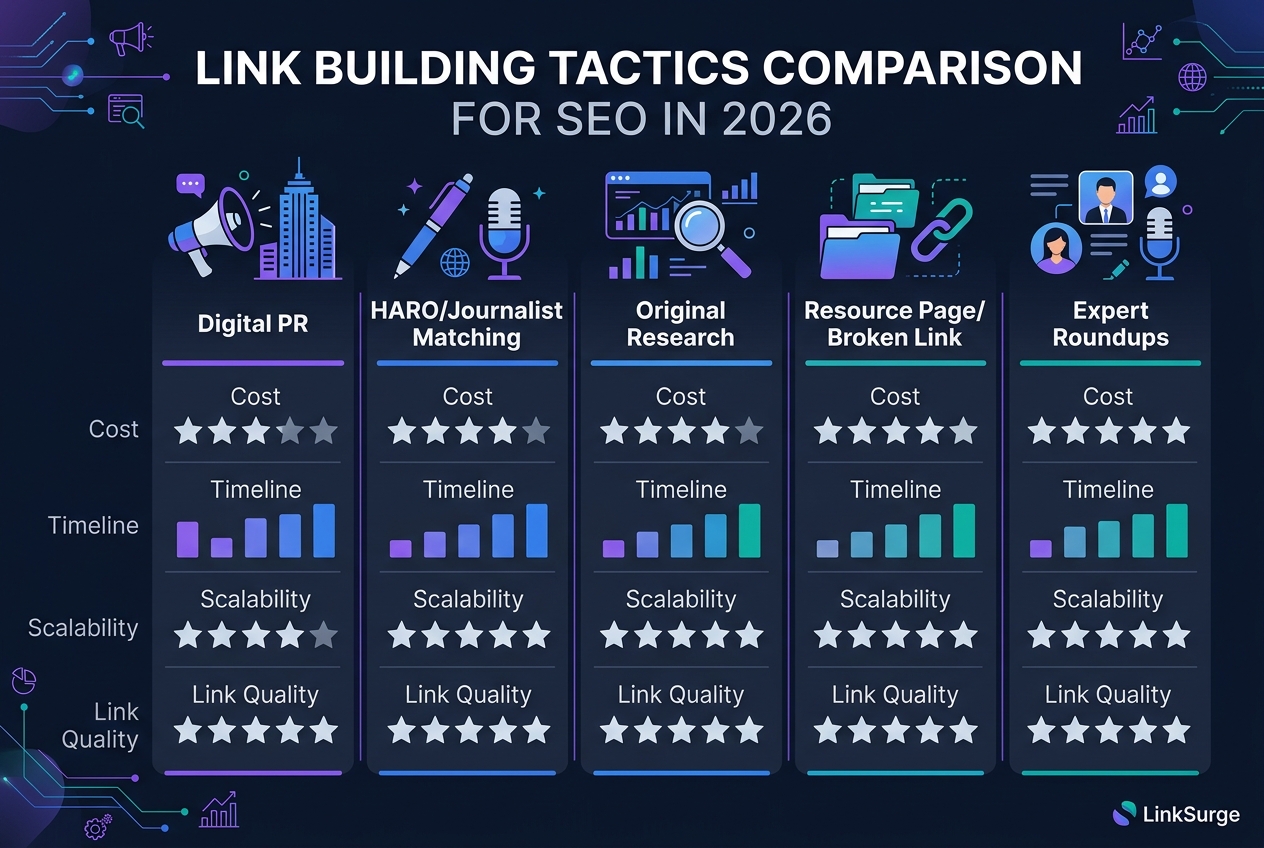
promote an RSS feedProgrammatic vs Traditional Link Building Models
This breaks the content fingerprinting signatures detection systems look for. Brand name voice and blog site guidelines imposed automatically across every draft, governing vocabulary, sentence rhythm, and forbade expressions before a human ever sees the piece. Passage-level optimization: self-contained 130-170 word blocks that response one question completely, with the entity named inside the passage.