Maximizing Web Visibility via Scalable Tactics
Maintouch runs keyword research, content publishing, technical repairs, backlink procurement, and AI citation tracking throughout 5 engines inside one system. Automated SEO optimization suggests using software and AI to run the repetitive, data-heavy parts of SEO without someone doing it by hand whenever. Metadata fixes, keyword tracking, material publishing, schema markup, internal linking.
The and is predicted to reach $271.9 billion by 2034. Companies aren't buying control panels anymore. They're buying execution. Which's the split worth understanding. Most SEO tools offer you data: broken links, keyword spaces, ranking modifications. They stop, and you're left figuring out what to do with it. Automated SEO optimization goes further.
Comprehending how power this execution layer deserves the time. The difference in between a report and a result. The majority of the SEO workflow can be automated in 2026: keyword research, content generation, on-page optimization, schema markup, CMS publishing, and rank tracking. That covers roughly 80-90% of the work. Website audits, crawl monitoring, and rank tracking across search engines and AI answersMetadata generation, schema markup, and internal linking based on ranking dataContent drafting, CMS publishing, and efficiency reporting Content method calls: which subjects to pursue, which to skipBrand positioning and voice decisionsRelationship-driven link outreach (cold emails from a bot get dealt with like cold e-mails from a bot)Quality assurance on published contentIf a job follows a pattern and runs on data, automate it.
3 layers make the engine run: information in, analysis, execution out. The input layer pulls from crawl data, Google Browse Console, competitor rankings, keyword databases, and (in more innovative systems) sales call recordings and CRM signals. The system consumes it continuously, not on a schedule you set manually. The processing layer is where AI does the sorting.
Programmatic vs Traditional Link Building Models
Thousands of signals minimized to a ranked list of actions. The execution layer is where most tools stop and a closed-loop system keeps going. A monitoring-only tool hands you the ranked list and wishes you luck. A closed-loop system pushes the metadata fix to your CMS, generates the draft, requests Google indexing, and updates the schema.
A technical audit that takes 40 hours by hand finishes in 2 hours with automation, freeing those 38 hours for tactical work that still requires an individual. Technical SEO automation breaks into four categories, each getting rid of a various handbook bottleneck. Set up crawls run daily versus your sitemap and a recursive crawl of the complete website, capturing damaged links, missing out on metadata, orphaned pages, and indexing errors before they compound.
Bulk metadata updates and redirect management round out the stack. Fixing 200 title tags or setting up 301 redirects after a URL restructure shouldn't require a developer sprint.
GSA SER link listKeyword research utilized to mean pulling a list from Semrush, sorting by volume, and choosing the greatest numbers. Automation changes what's possible here, however the real shift remains in what gets appeared. AI-driven keyword tools cluster related terms, categorize search intent across those clusters, and run rival gap analysis immediately.
Winning at Search with Modern Ranking Hacks
The more interesting layer is zero-volume question discovery, queries with a couple of Browse Console impressions, too small for conventional keyword tools to flag. Material built around those questions directly answers the concerns AI systems are fielding, which drives citation results. Feed in sales call recordings and CRM data, and the technique gets sharper.
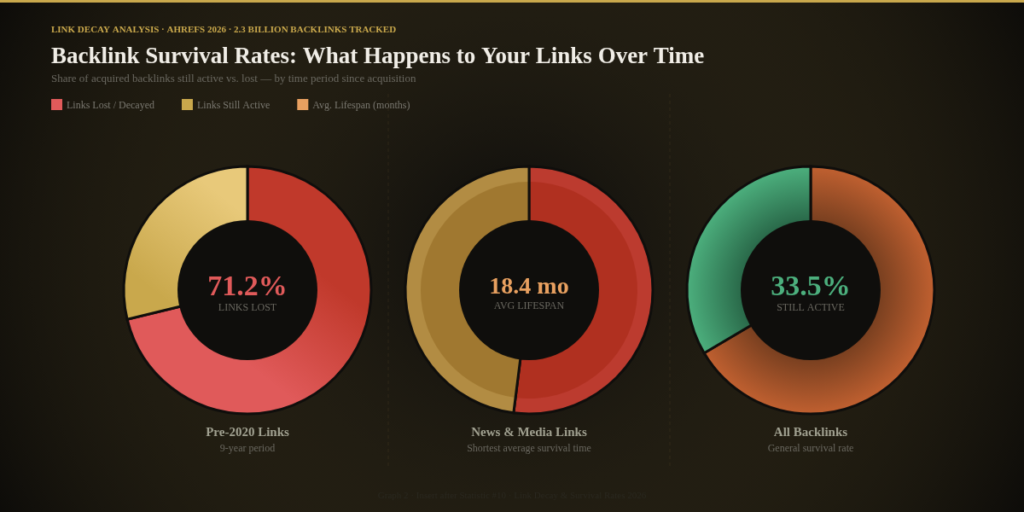
That language becomes your keyword map, your material calendar, your angle on every piece. Business that automate content publishing produce 3x more content than those that don't. Volume without quality assurance produces content that damages authority rather of constructing it. The exact same reasoning uses to links not all backlinks are equivalent, and knowing deserves your time.
This breaks the content fingerprinting signatures detection systems try to find. Brand name voice and blog guidelines enforced instantly throughout every draft, governing vocabulary, sentence rhythm, and forbade expressions before a human ever sees the piece. Passage-level optimization: self-contained 130-170 word blocks that response one concern entirely, with the entity named inside the passage.
GSA SER link listBulk metadata updates and redirect management round out the stack. Repairing 200 title tags or setting up 301 redirects after a URL restructure shouldn't need a developer sprint.
Keyword research study utilized to mean pulling a list from Semrush, arranging by volume, and selecting the most significant numbers. Automation changes what's possible here, however the real shift is in what gets surfaced. AI-driven keyword tools cluster associated terms, categorize search intent across those clusters, and run competitor gap analysis immediately.
Strategic Insights for SEO Software Utility
The more interesting layer is zero-volume inquiry discovery, inquiries with a couple of Browse Console impressions, too small for conventional keyword tools to flag. Material constructed around those questions directly responds to the questions AI systems are fielding, which drives citation outcomes. Feed in sales call recordings and CRM information, and the strategy gets sharper.
That language becomes your keyword map, your material calendar, your angle on every piece. Companies that automate content publishing produce 3x more content than those that don't. Volume without quality controls produces content that harms authority rather of building it. The very same logic applies to links not all backlinks are equal, and knowing is worth your time.
This breaks the content fingerprinting signatures detection systems try to find. Brand name voice and blog site guidelines enforced immediately throughout every draft, governing vocabulary, sentence rhythm, and restricted expressions before a human ever sees the piece. Passage-level optimization: self-contained 130-170 word blocks that response one question totally, with the entity called inside the passage.