Mapping the Journey of Authority Through Several Tiers
The Shift Towards Multi-Tier Link Architectures
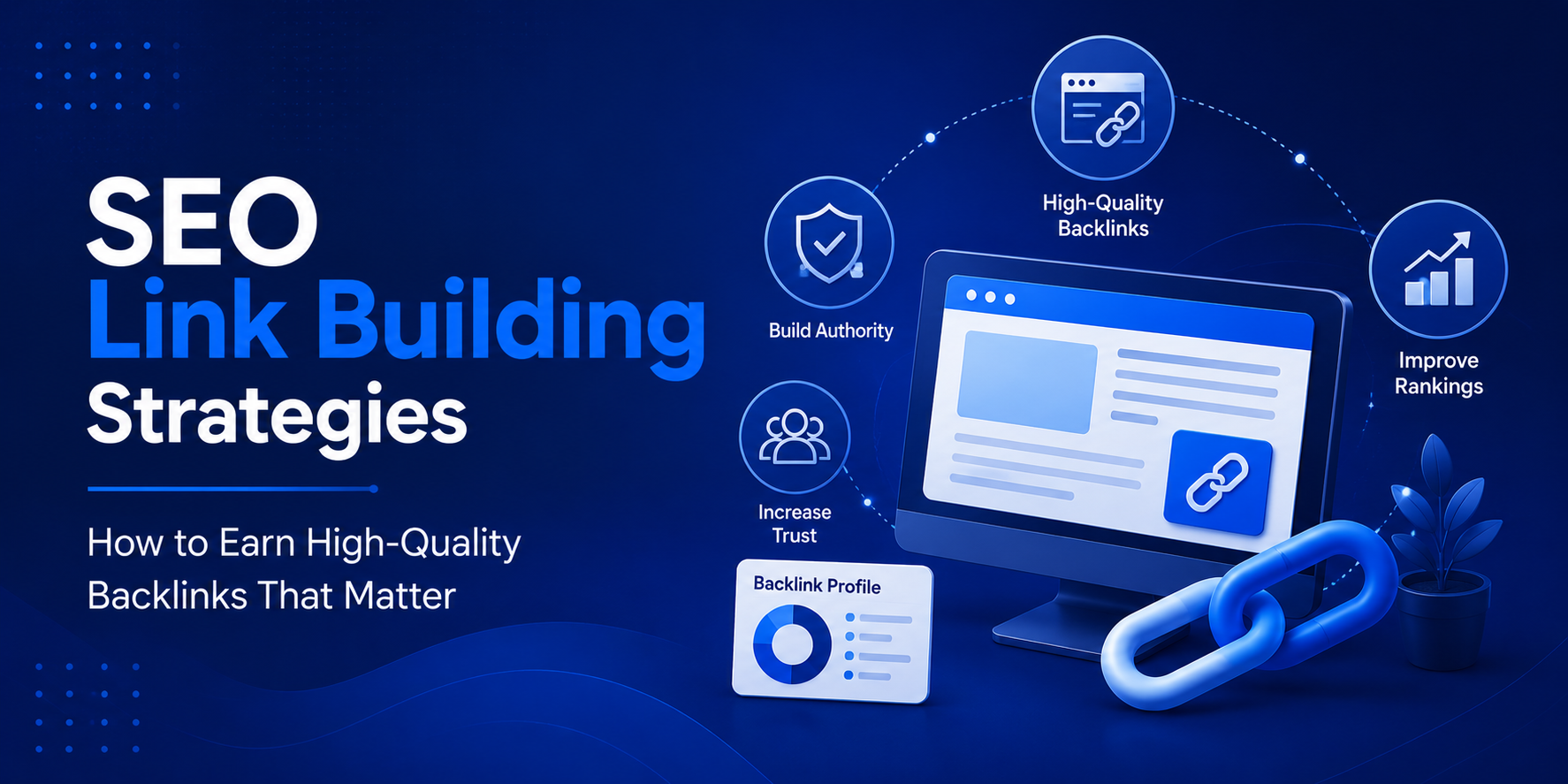
Browse engine algorithms in 2026 have moved far beyond simple backlink counting. Artificial intelligence filters now focus on the intent and engagement metrics behind every inbound connection. In competitive specific niches, a single-layer link profile often does not have the needed weight to move the needle. This reality has led lots of strategists to adopt multi-tier topologies. By stacking links in layers, professionals can filter authority and protect the main site from the volatility of aggressive outreach. The goal in 2026 is to build a structure that appears natural to AI-driven crawlers while focusing power where it matters most.
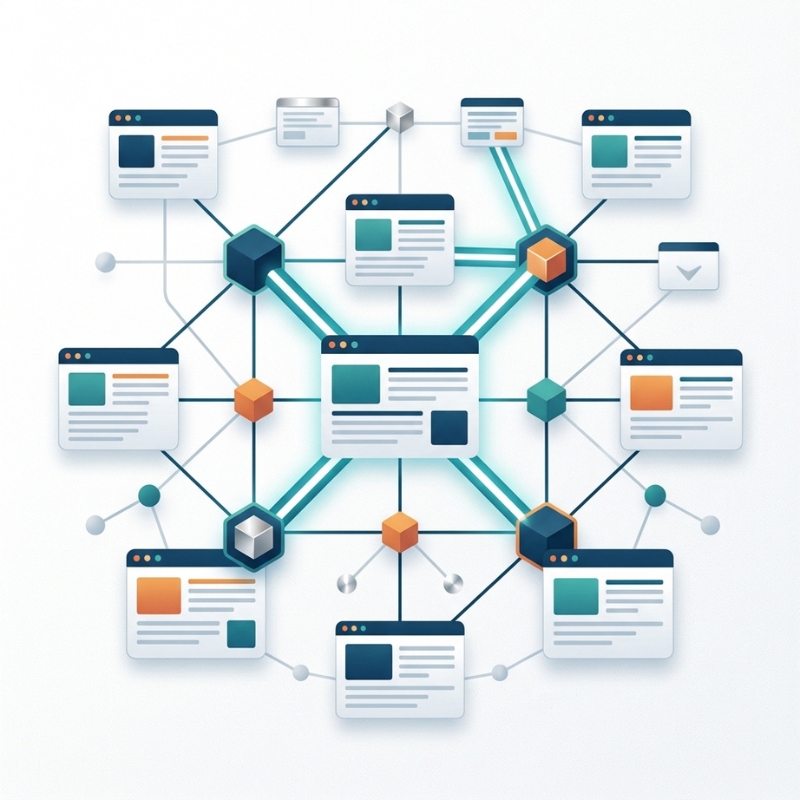
Tiered structures work by producing a hierarchy of relevance. Rather of pointing every acquired link straight at a target page, the strategy involves sending high-quality links to the primary website and then supporting those relate to secondary and tertiary layers. This creates a buffer. It likewise assists online search engine discover and index the main links better. When a high-authority page receives its own set of fresh backlinks, its viewed significance boosts. This internal momentum is what separates successful projects from those that stall in the middle of the search engine result.
The intricacy of these networks requires a mindful balance. In 2026, over-optimization is discovered almost instantly by pattern-recognition designs. Successful contractors avoid repeated anchor text or similar hosting patterns throughout tiers. They concentrate on diversity in referring domains and IP addresses. Using professional SEO programs within these structures helps maintain a natural appearance while pressing for greater visibility in saturated markets like modern urban centers.
Tier 1: High-Authority Semantic Anchors
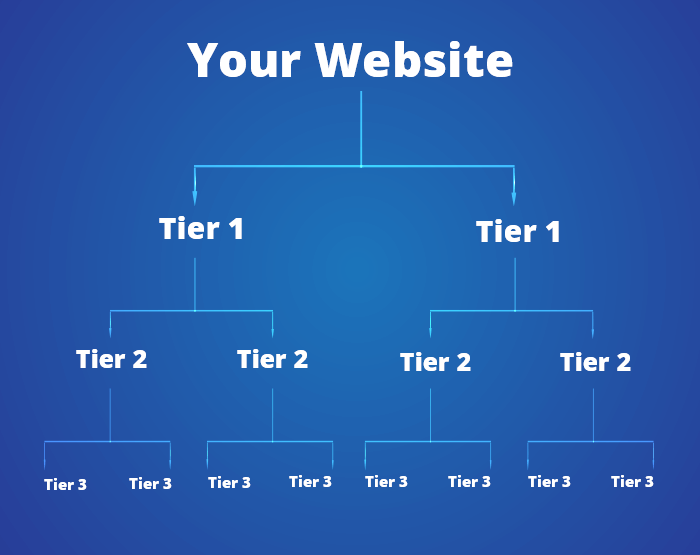
The first tier includes links pointing directly to the target site. These should be the highest quality assets readily available. In 2026, the main metric for Tier 1 is no longer simply domain strength however "Topical Trust." A link from a pertinent industry publication brings more weight than a generic news website with a high numerical score. These links are the structure of the entire network. They provide the initial signal to online search engine that the target site is a confirmed authority in its specific field.
Obtaining Tier 1 links usually includes manual outreach, data-driven guest publishing, or digital PR. Due to the fact that these links are tough to get, protecting them is a priority. This is where the tiered technique provides a significant advantage. By building a second layer of links to these Tier 1 properties, the strategist can increase the "link juice" streaming through them without risking the main website's safety. This method makes sure that the most important connections remain active and strong even as search trends shift.
Strategists who focus on Asia Virtual Solutions frequently see quicker indexing throughout Tier 1 assets due to the fact that the secondary layers require crawlers to visit these pages more often. In 2026, the speed of discovery is a competitive edge. If a high-quality link is not indexed or checked out by spiders, it provides zero value. Tiered support fixes this problem by creating numerous paths for online search engine bots to reach the most essential material.
Tier 2: Reinforcing the Authority Layer
Tier 2 links do not point to the main site. Instead, they point to the Tier 1 links. The purpose of this layer is to increase the page authority of the very first tier. In 2026, these are often niche-relevant post, forum conversations with high engagement, or smaller sized industry-specific directories. The requirements for Tier 2 are somewhat more unwinded than Tier 1, however they still require to be clean and relevant. If Tier 2 is poor quality, it can decrease the worth of the Tier 1 link it is supposed to support.
Contextual importance remains the most crucial factor for this middle layer. A Tier 2 link ought to come from a page that discusses a topic comparable to the Tier 1 page. This creates a semantic bridge. When search engines crawl these connections, they see a logical progression of information. This logical flow is a major ranking consider 2026, as AI agents try to map out the relationship in between various entities on the web. A well-constructed second tier makes the first tier look like a natural hub of details.
Utilizing a mix of dofollow and nofollow links in Tier 2 is vital for keeping a natural profile. Despite the fact that dofollow links pass more authority, a profile consisting just of dofollow links looks suspicious. In 2026, the existence of social signals and unlinked mentions likewise plays a part in this layer. These "soft" signals tell online search engine that the Tier 1 possession is being gone over throughout the web, which justifies its high authority status.
Tier 3: The Discovery and Speed Layer
The third tier is the broadest part of the pyramid. These links indicate Tier 2. Their primary job is not to pass considerable authority but to create crawl frequency and social sound. In 2026, this layer often involves automated social bookmarks, web 2.0 profiles, and micro-blogging platforms. While these links are lower in quality, they act as the "scouts" for search engine bots. They make sure that the whole network is regularly crawled and that any brand-new content in Tier 1 or Tier 2 is discovered quickly.
Speed is a key concept here. By thoroughly timing the creation of Tier 3 links, a strategist can imitate a viral pattern. If a Tier 1 link unexpectedly receives a flurry of Tier 2 and Tier 3 activity, it signals to search engines that the content is timely and appropriate. High-stakes industries frequently prioritize GSA SER blacklist filter to maintain exposure against AI-generated rivals that lack the depth of a layered link profile. This layer assists little companies in the surrounding region take on larger nationwide brands by producing a focused burst of local importance.
Nevertheless, Tier 3 needs to be used with care. In 2026, search engines have become excellent at determining "spam islands." If the 3rd tier is too disconnected from the subject of the main site, it will simply be overlooked. The most reliable Tier 3 links are those that utilize broad, topically associated keywords. They should function as a wide net that catches the attention of crawlers and directs them towards the better layers of the network.
Danger Mitigation and Footprint Management
The most significant risk in tiered link building is the production of a "footprint." A footprint is a recurring pattern that enables search engines to determine that a bachelor or entity owns the whole network. In 2026, footprint detection is highly automated. Common errors include using the exact same Google Analytics account throughout different tiers, utilizing the very same registrar for all domains, or hosting all websites on the very same server block. To prosper, each layer must appear independent of the others.
Diversity in TLDs (top-level domains) is likewise important. While.com and.org stay favorites, incorporating.net,. io, and even niche-specific extensions like.tech or.store contributes to the natural look of the network. Each site in the tier must have its own distinct design and material structure. If online search engine see ten various websites with the specific very same design and font style, they will likely flag the entire group as a personal link network. In 2026, material individuality is confirmed by AI that can find paraphrasing, so each tier must have genuinely initial text.
Another layer of safety involves using varying anchor text ratios. In the past, individuals often utilized exact-match keywords too regularly. In 2026, the focus has shifted towards "top quality" and "natural" anchors. Tier 1 ought to have a high percentage of branded or URL-based anchors. Tier 2 and Tier 3 can utilize more descriptive phrases, however they should never ever duplicate the same keyword a lot of times. This randomness is what mimics genuine human habits on the internet.
The Function of AI and Automation in 2026
While the technique is called "manual" oftentimes, the reality of 2026 is that AI tools are used to manage the complexity. Automated systems now keep track of the health of every link in the network. If a Tier 2 link decreases or a website is de-indexed, the system can immediately re-route power from Tier 3 to a new property. This self-healing nature of contemporary link networks is what enables them to stay reliable over long durations. It likewise decreases the workload for digital marketing groups in the local market.
AI also helps in choosing the best targets for outreach. Instead of guessing which websites may provide the most value, strategists use predictive designs to determine which domains have the highest capacity for development. By recognizing "increasing stars" in an industry, a contractor can get a Tier 1 link on a website that is about to explode in appeal. This positive approach guarantees that the link network gains worth gradually instead of diminishing as the web progresses.
Automation needs to be kept away from the actual material creation for Tier 1. While AI can draft Tier 3 micro-posts, Tier 1 and Tier 2 material must satisfy high editorial requirements. Online search engine in 2026 can identify in between a post composed by a human specialist and one produced by a fundamental language design. Premium writing stays the very best method to guarantee that a link remains active and continues to pass authority for many years to come.
Determining Success in a Tiered System
Tracking the efficiency of a multi-tier network needs more than simply examining a ranking position. Strategists look at "Crawl Depth" and "Referral Traffic." If the Tier 1 links are actually sending traffic to the primary site, it is a sign that the network is healthy. In 2026, click-through rate (CTR) is a major signal. If a link exists but nobody ever clicks it, browse engines might ultimately cheapen it. A tiered system motivates clicks by developing several interesting paths to the main content.
Visibility in "Search Generative Experiences" is another new metric. AI search engines typically pull citations from reliable centers. By constructing a tiered network that develops a site as a hub, the chances of being featured in these AI-generated answers increase significantly. This is specifically real for companies supplying specialized digital solutions, where trust and authority are the main elements in a client's decision-making procedure.
The stability of the rankings is the ultimate test. A site that depends on a single layer of links will frequently see its positions vary hugely every time the algorithm updates. A website supported by a multi-tier structure tends to stay stable. The layers serve as a shock absorber. When a small part of the web modifications, the rest of the network continues to provide a constant stream of authority. This long-lasting reliability is why tiered topologies stay the standard for competitive specific niches in 2026.
Building these networks is a long-lasting commitment. It requires a deep understanding of how information flows throughout the internet. For those happy to put in the effort, the rewards are significant. In a period where AI-generated mess is all over, a well-structured, authoritative link network is one of the couple of methods to make sure a brand name's message is in fact seen by its target audience.