How to Keep Your Tier 1 Assets Indexed Permanently

Structural Structures of Tiered Linking in 2026
Browse algorithms in 2026 have actually reached a level of sophistication where simple link structure frequently fails to move the needle in competitive sectors. Success depends on how link equity streams through a multi-layered structure. The objective is to imitate a natural development pattern while maintaining strict control over the anchor text profile that touches the main domain. In many metropolitan markets, companies find that a flat link profile-- where every link points directly to the main page-- triggers filters designed to catch unnatural patterns. This has actually resulted in the adoption of more complex geographies.
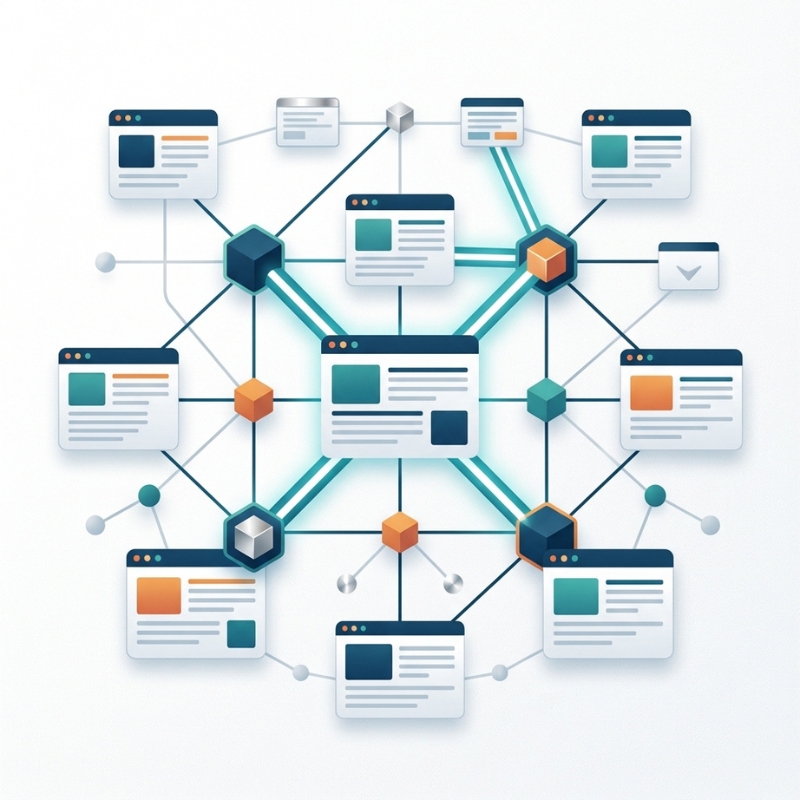
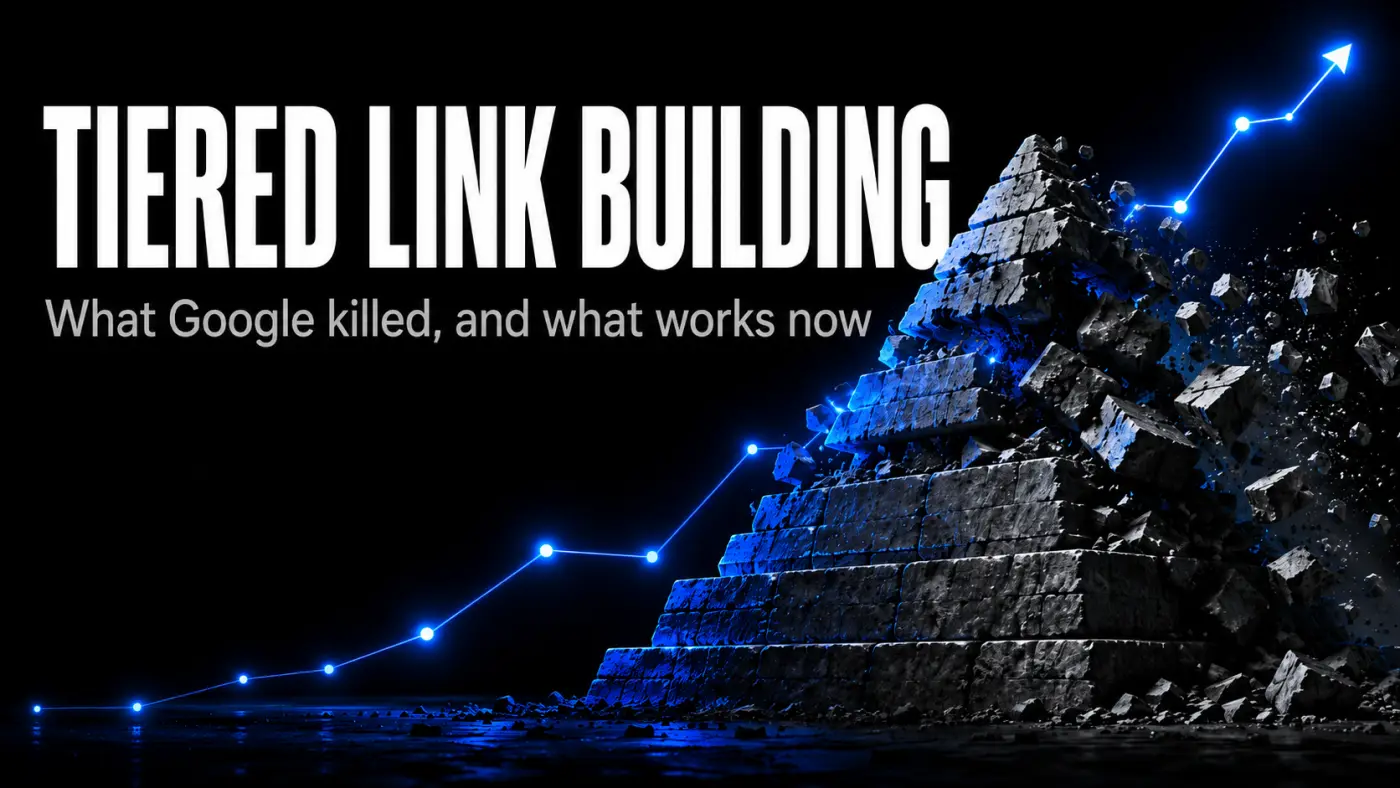
A tiered method includes three or more layers of connection. The very first layer consists of premium, pertinent placements that connect to the primary site. The 2nd layer links to the very first, and the 3rd layer links to the second. This approach enables for a more aggressive technique on lower tiers without threatening the target domain. By the time the equity reaches the primary site, it has actually been filtered through a number of layers of topically relevant content, making it appear even more organic to browse spiders.
The choice of anchor text at the very first tier remains the most important decision for any campaign in the regional market. Algorithms now prioritize brand recognition over keyword density. Using a variety of brand-related anchors helps develop the target website as an authority. For those taking a look at Asia Virtual Solutions Optimization, the emphasis should be on keeping a tidy ratio where direct keywords represent less than 5 percent of the total profile. The remainder of the profile should be made up of brand name names, naked URLs, and generic guidelines like checking out the site.
Enhancing the Intermediate Layer in local industries
The second tier is where the power begins to accumulate. Due to the fact that these links do not point straight to the primary website, they can utilize more descriptive language. This layer functions as a buffer, allowing the campaign to use more particular phrases that may be thought about too risky for a direct link. Proof indicates that Asia Virtual Solutions Anchor Text Tactics works as a reliable system for passing authority through to Tier 1 assets. These intermediate links ought to originate from platforms that have some existing traffic or social signals to guarantee they are indexed and valued by online search engine.
Topical relevance is the main motorist of Tier 2 success in 2026. If a Tier 1 guest post goes over a specific service in a major city, the Tier 2 links pointing to that post should likewise be related to that service. This creates a cluster of relevant content that indicates to the algorithm that the Tier 1 post is a substantial resource. It is no longer adequate to just blast a Tier 1 link with random remarks or forum signatures. The quality of the supporting links matters nearly as much as the quality of the primary link.
Range in source types is likewise needed. Using a mix of niche-specific blog sites, news release, and high-authority profiles for Tier 2 assists construct a natural-looking footprint. Most specialists recommend a ratio of approximately ten Tier 2 links for every one Tier 1 link. This growth develops a pyramid shape that focuses power as it moves upward toward the main domain. When the anchor text on these middle layers is varied correctly, it prevents the whole structure from looking like a produced scheme.
The Function of Tier 3 and Mass Indexing in 2026
The bottom layer of the geography is created for volume. Tier 3 links are used to guarantee that Tier 2 links are discovered and indexed by search engines. While the quality requirements for Tier 3 are lower, they must not be ignored completely. Low-grade spam can still trigger problems if it is too outright, even at this range from the main site. In 2026, the focus for Tier 3 has moved towards social bookmarks, wiki entries, and directory site listings that offer a broad base of assistance.
Anchor text at the third tier must be practically completely generic or URL-based. Given that these links are indicating Tier 2 pages, the goal is merely to show the search engine that those Tier 2 pages are being pointed out throughout the web. Using keywords at this level is typically a waste of time and can in some cases cause the decline of the Tier 2 links. A consistent stream of brand-new links to the lower tiers assists keep the "freshness" signal that is progressively crucial for rankings in the local area.
Indexing has actually ended up being more challenging as search engines have become more selective about what they consist of in their databases. A tiered project is just efficient if the links are actually counted. Many practitioners use dedicated indexing tools or social media signals to encourage search engines to crawl their Tier 2 and Tier 3 layers. Without these signals, a large portion of a link-building spending plan might be invested in pages that are never ever even seen by the algorithm.
Threat Management in competitive niches
Handling the danger of a manual or algorithmic penalty needs constant monitoring of the anchor text ratios throughout all levels. In extremely competitive sectors in urban centers, the pressure to use exact-match keywords is high. However, the most successful projects are those that stay patient. If a website begins to rank for a keyword, the natural reaction is to develop more links with that specific anchor. In 2026, this is a mistake that frequently leads to a sudden drop in rankings.
Rather, when a site begins to get traction, the technique must shift towards more top quality and generic anchors. This strengthens the concept that the site is a growing brand name rather than a page enhanced for a particular term. Diversity is the only way to ensure long-term stability. This includes diversifying the types of domains used for links, the geographical area of the hosting servers, and the time of day when links are released. A really natural profile is unpleasant and unforeseeable, and a tiered campaign needs to intend to reproduce that messiness within a controlled structure.
Regular audits are needed to determine any harmful links that may have been gotten along the way. Often, competitors might even target a website with unfavorable SEO by constructing countless low-quality relate to exact-match anchors. By having a tiered structure in location, a website is much better safeguarded due to the fact that the main domain is not the only point of entry for link equity. The buffers supplied by Tier 1 and Tier 2 can often absorb the impact of these unfavorable signals before they reach the cash site.
The Future of Anchor Text Distribution
Looking ahead, the relationship in between anchor text and user habits is most likely to tighten. Online search engine are improving at determining whether a link is actually being clicked. A link that is never clicked might ultimately be offered less weight than one that drives real traffic. This implies that the content surrounding the anchor text must be engaging enough to motivate a click, even at the Tier 2 level. This shift toward "traffic-heavy" link structure is currently ending up being a requirement in 2026.
The usage of artificial intelligence in content generation has also altered how tiers are built. It is now possible to generate thousands of special, topically appropriate short articles for lower tiers at an extremely low expense. While this works for scaling, it likewise indicates that search engines are on high alert for AI-generated patterns. Effective projects in the region usage human editors to manage the AI-generated content to ensure it fulfills a minimum threshold of quality and does not include the common linguistic markers that online search engine use to identify synthetic text.
Ultimately, the goal of a tiered link geography is to construct a structure that can withstand modifications in the search environment. By focusing on brand equity at the leading and volume at the bottom, a project develops a resistant structure. As algorithms continue to progress, the principles of relevance, authority, and diversity will remain the three pillars of any effective digital technique. Those who master the balance of these elements will continue to see growth, regardless of how the technical details of search modification over the coming years.
Consistency is typically more crucial than intensity. A small number of links constructed on a monthly basis is normally more efficient than an enormous burst followed by months of lack of exercise. This steady development signals to the search engines that the organization is broadening and getting authority naturally. In the competitive sectors of the modern marketplace, this long-term view is what separates the top-performing websites from those that struggle to maintain their positions on the first page.