Automated vs Traditional Link Building Models
Bulk metadata updates and reroute management round out the stack. Repairing 200 title tags or establishing 301 redirects after a URL restructure should not need a designer sprint. Automated systems batch-process these modifications and press them directly to the CMS, avoiding the ticket queue. Flagging a damaged canonical tag in a control panel is monitoring.
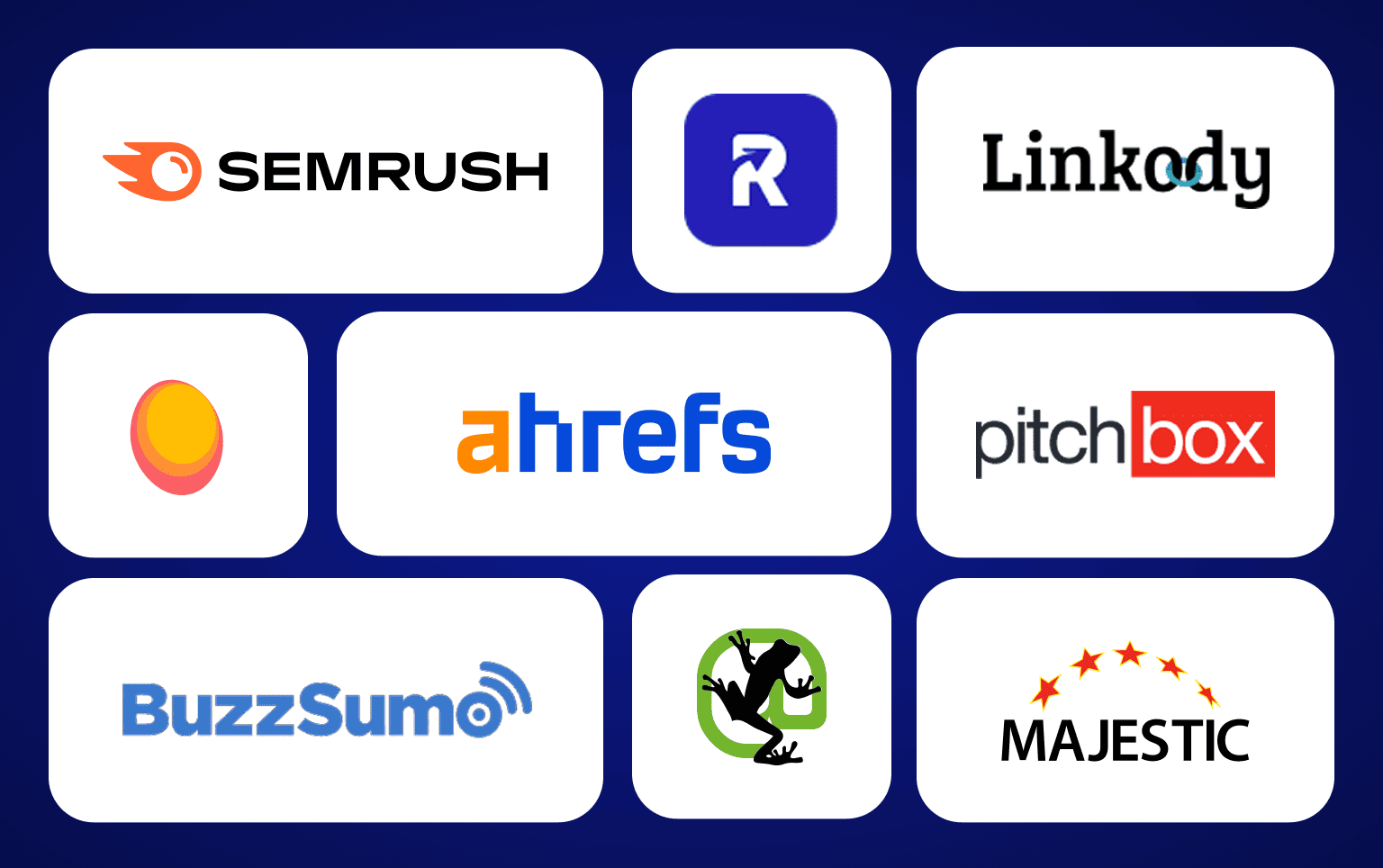
Keyword research utilized to mean pulling a list from Semrush, arranging by volume, and picking the most significant numbers. Automation modifications what's possible here, however the genuine shift remains in what gets surfaced. AI-driven keyword tools cluster associated terms, categorize search intent across those clusters, and run rival space analysis immediately.
The more intriguing layer is zero-volume query discovery, questions with one or two Browse Console impressions, too little for traditional keyword tools to flag. Material built around those inquiries straight answers the concerns AI systems are fielding, which drives citation results. Feed in sales call recordings and CRM data, and the strategy gets sharper.
That language becomes your keyword map, your material calendar, your angle on every piece. Business that automate content publishing produce 3x more content than those that do not. Volume without quality assurance produces content that harms authority instead of constructing it. The very same logic applies to links not all backlinks are equal, and understanding deserves your time.
verified link list strategyDesigning Scalable SEO Solutions for Growth
This breaks the content fingerprinting signatures detection systems try to find. Brand name voice and blog site guidelines imposed instantly throughout every draft, governing vocabulary, sentence rhythm, and prohibited expressions before a human ever sees the piece. Passage-level optimization: self-contained 130-170 word blocks that response one question entirely, with the entity named inside the passage.